


 Home
Home Things To Do in Sapa
 Transport Hanoi – Sapa
 Other Routes
 Things to do
 Travel Guide
Uncover the Quiet Magic of Sau Chua Village Sapa
If you ever feel like Sapa is getting too crowded and you can’t really enjoy the moment, Sau Chua Village Sapa is the kind of place that makes you breathe easier. It’s quiet, simple, and genuinely warm. People smile at you like they’ve known you for years, kids run around barefoot, and the mountains feel unbelievably close. There’s no rush, no noise — just real village life. And honestly, it’s the Sapa many travelers wish they found earlier.
A Closer Look at Sau Chua’s Location, Road & Weather
- Location:
Sau Chua Village lies in Sa Pa Ward, Lao Cai Province, about 7–10 km from the town center. It sits at an altitude of 1,700 meters, surrounded by ancient limestone mountains and deep valleys embraced by dense forests. - How to Get There:
Travel along Điện Biên Phủ Street from Sapa toward Lao Cai. At km32, follow the sign pointing right into the village. The access road is winding but fully concreted, making it suitable for most vehicles. - Climate Characteristics:
The village stays cool all year. Winter temperatures can drop below 0°C, with occasional frost. Thick fog, fresh air, and a stunning sea of clouds create a mystical scene typical of the Northwest’s high mountain climate.
6 Unforgettable Experiences at Sau Chua Village (Sapa)
Discover 6 unforgettable experiences that reveal the peaceful beauty, vibrant culture, and authentic mountain life waiting for you at Sau Chua Village in Sapa.
1. Hunt for the Sea of Clouds at Sau Chua

Cloud hunting is probably the experience that wins everyone’s heart when visiting Sau Chua. Because the village sits high on the mountaintop, the morning fog gathers into soft, fluffy clouds that slowly drift through the valley. The most magical moment is always between 5 AM and 8 AM, when the sunlight gently slides through the clouds and turns the whole view into something straight out of a dream.
From October to March, the dry and chilly weather helps the clouds form thicker and stay longer. After light rainfall, the “cloud sea” becomes even denser — perfect for anyone who wants that surreal, heavenly shot.
The best view is from the central hilltop, where you can sit on the stone ledges overlooking the valley. The village’s flower garden is another stunning viewpoint — colorful blossoms blending with floating clouds make for poetic, unique photos you won’t find anywhere else.
And if you’re up for something new, try sunrise meditation or simply sipping a warm cup of tea on the hillside. The stillness at that hour is something you’ll remember long after you leave.
If you’re planning to go cloud hunting beyond Sau Chua Village, don’t worry—Sapa has plenty of stunning spots waiting for you. You can check out these locations below!
- Top 10 Cafe in Sapa with Cloud View: Unlock Gorgeous Views
- Hang Da Village: Dream Destination for Cloud Chasers
2. Slow Down With Mountain-Life Moments You Won’t Forget

One of the best things about Sau Chua is how naturally it slows you down. You can spend an afternoon wandering small village paths, watching children play, or simply sitting on a wooden bench listening to the wind move through the valley. These tiny, quiet moments are what make Sau Chua feel different from other places in Sapa – it’s not about big attractions, but about the gentle, peaceful rhythm of real mountain life.
3. Taste Local Flavors the Way the Hmong People Enjoy Them
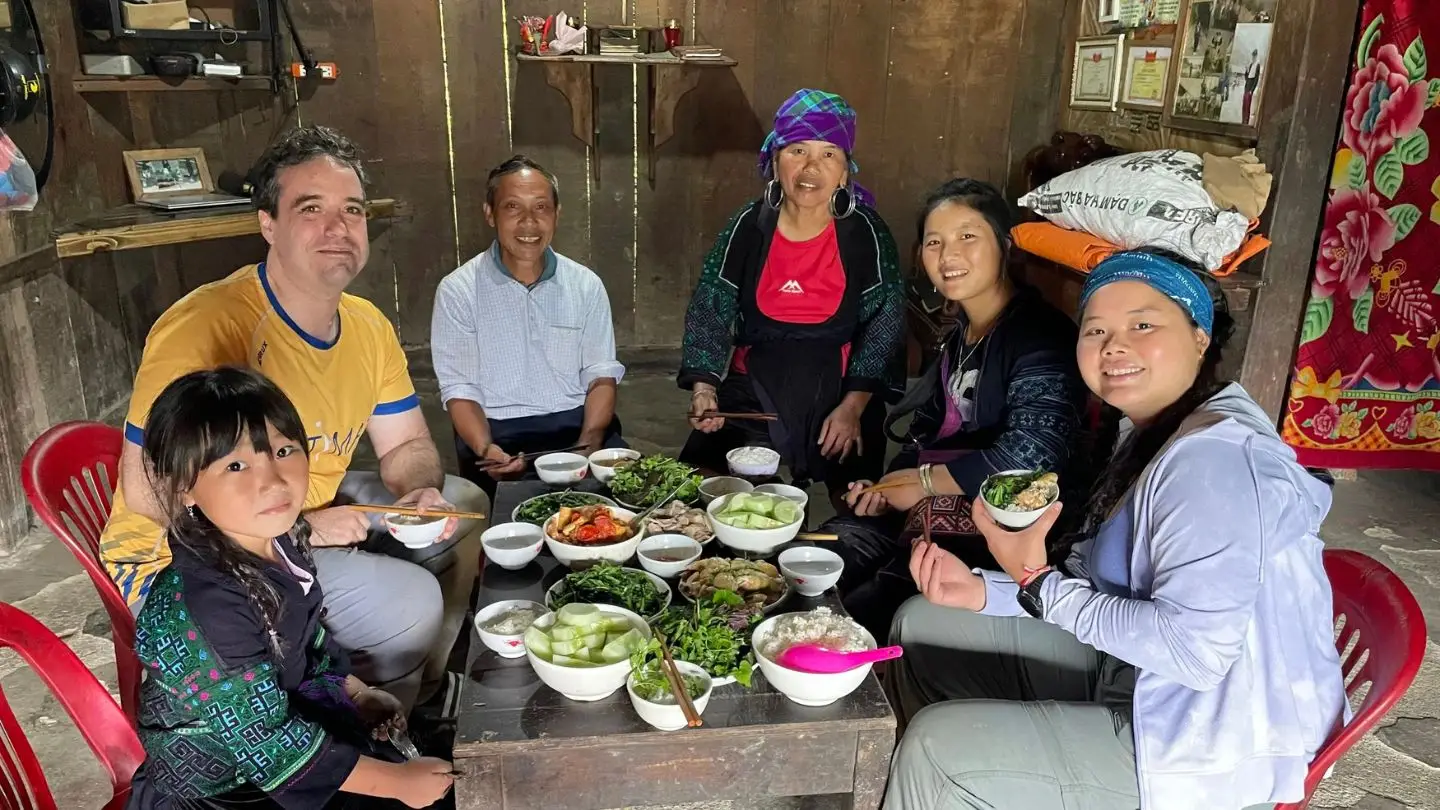
No visit is complete without trying a few homemade dishes in the village. Warm corn wine, fresh vegetables from the garden, simple soups cooked over a wood-fired stove — everything tastes honest and comforting. If you’re lucky, you might join a family meal and learn how they prepare traditional dishes passed down through generations. It’s a small but meaningful way to connect with the heart of Sau Chua.
4. Wander Through Sau Chua’s Flower Gardens

Covering almost 8 hectares, Sau Chua’s flower garden is one of the largest in the Sapa area. Each type of flower has its own section, creating a rainbow of colors spread across the mountainside.
The stars of the garden are the precious old rose varieties — many brought from Europe — blooming beautifully in spring and autumn, releasing a soft, nostalgic fragrance. From February to April, pear and peach blossoms blanket the hills like delicate white snow. Toward November and December, mustard flowers take over, painting the landscape in bright golden yellow.
Visitors can stroll through the garden, take photos, or chat with locals about how they grow and care for each plant. During peak blooming season, the village also hosts small flower festivals, cultural performances, and traditional food stalls — creating a gentle, warm atmosphere that feels very “Sapa”.
For an extra special memory, you can also join a hands-on flower workshop where locals teach you how to make simple bouquets or natural dyes from petals and leaves.
5. Admire Terraced Fields & the Iconic Stone Check-in Spot
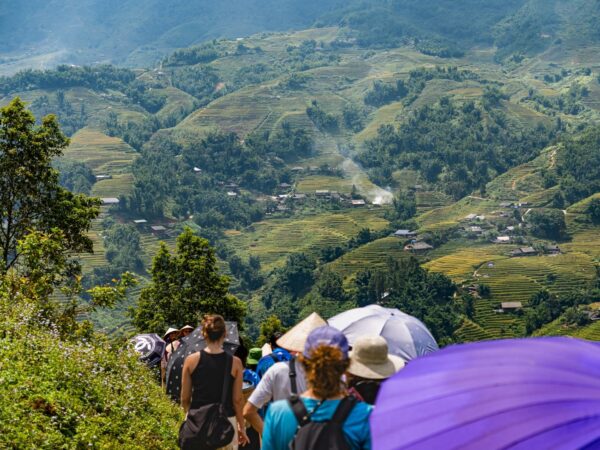
Terraced rice fields are the soul of the Northwest, and Sau Chua brings that image to life beautifully. The fields curve around the hills like long, soft ribbons leading toward the sky.
From May to September, the terraces glow with vibrant green rice. During September to October, the fields turn golden, filling the air with the sweet scent of ripe grains — an absolute dream for photographers.
One spot you shouldn’t miss is the stone check-in area on the edge of the valley. The natural rock formations, especially the heart-shaped stone, make it a favorite place for couples or anyone wanting a romantic sunset photo. From here, you can watch the clouds drift lazily through the mountains — a simple but breathtaking moment.
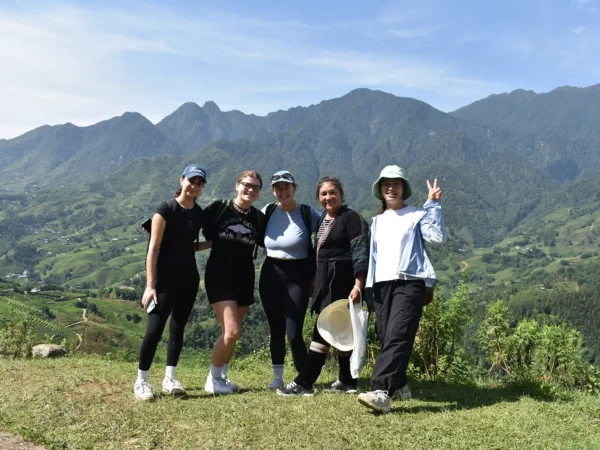
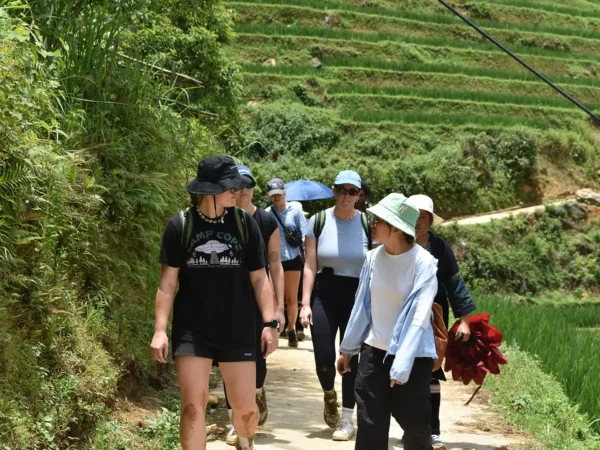
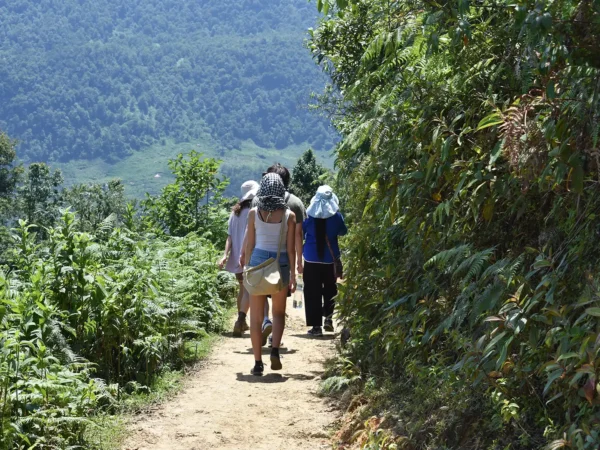
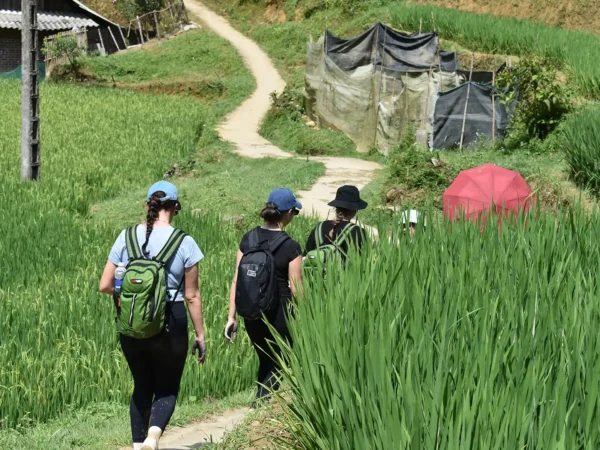
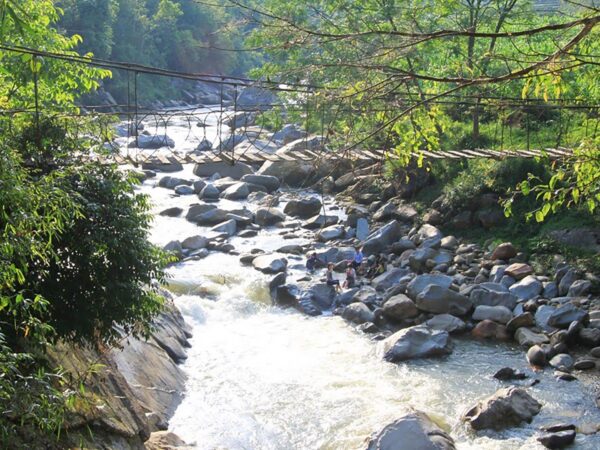
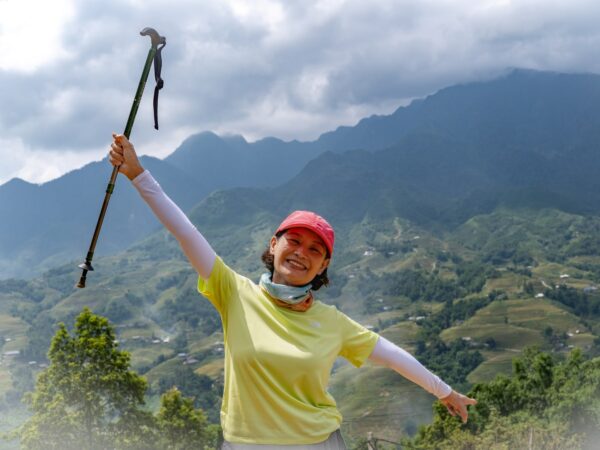
If you enjoy peaceful activities, you can also take a short trekking trail around the fields, perfect for slow travel lovers.
Sau Chua Village is one of Sapa’s most untouched, peaceful little corners – definitely worth a visit if you’re craving something truly authentic. And if you’d love to explore more, we’ve got plenty of other village tours around Sapa too. Just pick the one that feels right for you!
 5/5
5/5
 5/5
5/5
 5/5
5/5
6. Dive Into Local Culture & Ancient Hmong Architecture
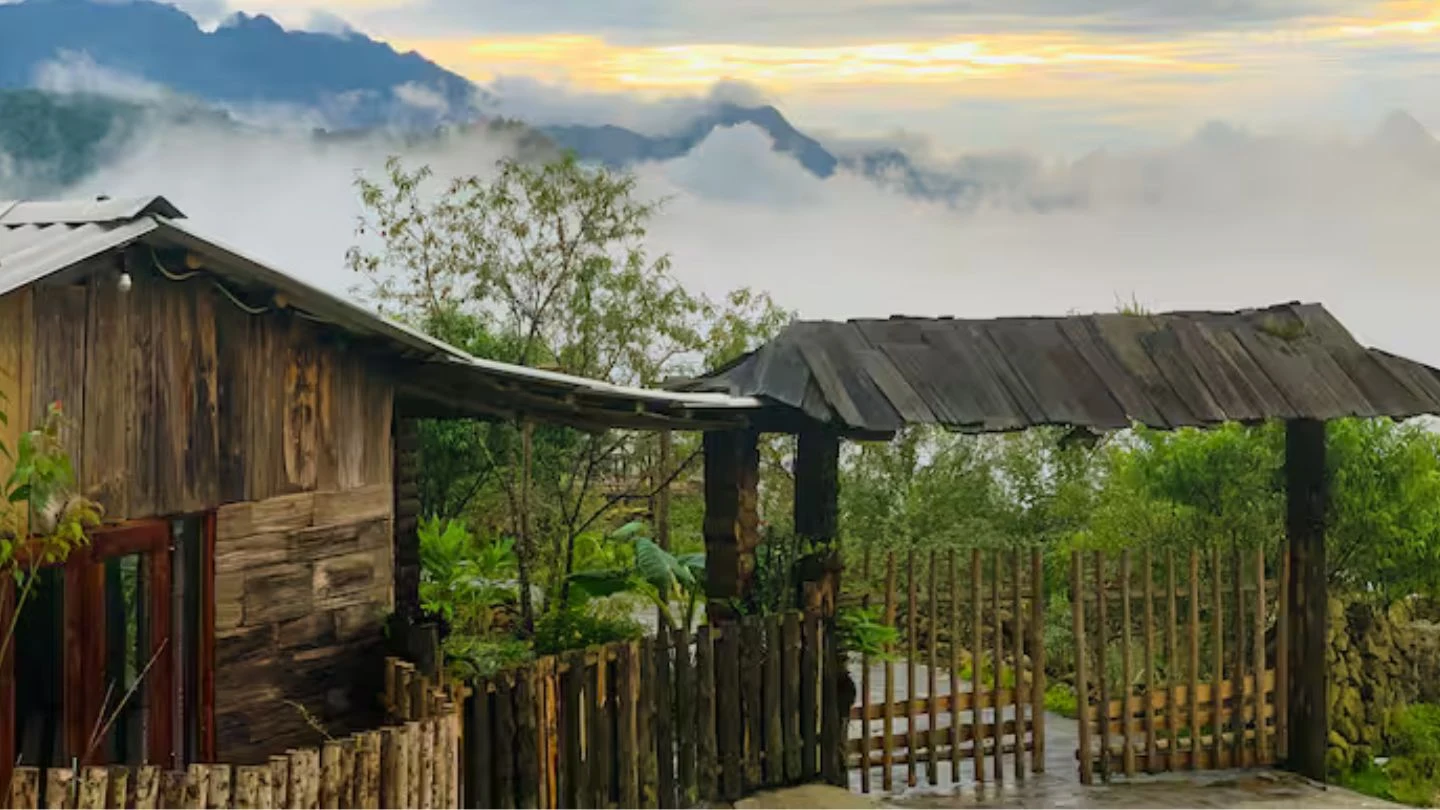
Sau Chua isn’t just about scenery — it’s a chance to experience the daily life of the Hmong people in the most genuine, heartfelt way. Visitors can join families in picking vegetables, caring for flower beds, or trying traditional brocade weaving.
Hmong women work skillfully on wooden looms, using natural dyes from forest leaves and fruits to create beautifully patterned fabrics. They love sharing stories about the symbols and meanings woven into each piece — giving you a deeper understanding of their culture.
The traditional Hmong houses are like little museums themselves: rammed-earth walls, stone fences, yin-yang tiled roofs, and wooden beams darkened by time. These homes stay warm in winter and cool in summer, showing how seamlessly the Hmong people live with nature.
In the peaceful quiet of the village, sitting by the fire, sipping hot tea, and listening to elders tell old stories, you’ll feel the gentle, authentic charm of Sau Chua. It’s a place where mountains, clouds, and human warmth come together in the most natural way — simple, deep, and incredibly memorable.
Conclusion
In the end, Sau Chua Village Sapa is the place you go when you’re tired of the crowds and just want something real. It doesn’t try to impress you — it simply lets you slow down, breathe, and feel connected again. The quiet trails, the gentle smiles, the calm mountain air… they stay with you long after you leave. If you’re looking for the Sapa that still feels authentic, this little village is exactly where you’ll find it.
FAQs
What is the weather like in Sau Chua?
The village stays cool year-round, usually 2–3°C colder than central Sapa. Morning fog and fresh mountain air create a calm, refreshing atmosphere.
Is Sau Chua good for cloud-hunting?
Yes. Sau Chua is known for impressive cloud seas during sunrise or early morning, making it a great spot for photographers and nature lovers.
Can travelers stay overnight in Sau Chua?
Yes. Homestays and small lodges allow visitors to stay with local families, enjoy traditional meals, and experience slow, peaceful village life.
What cultural experiences can visitors find?
The village preserves Hmong traditions—wooden homes, farming culture, handmade crafts, and daily mountain life—offering an authentic cultural experience.