


 Home
Home Things To Do in Sapa
 Transport Hanoi – Sapa
 Other Routes
 Things to do
 Travel Guide
Sapa to Ha Giang Loop 2025 – Routes, Costs, Itinerary & Tips
The journey from Sapa to the Ha Giang Loop is one of the most thrilling adventures in Northern Vietnam. Stretching over 250 kilometers of mountainous terrain, this route connects two of the most scenic and culturally rich regions in the country.
For travelers seeking raw landscapes, authentic ethnic minority culture, and the legendary Ma Pi Leng Pass, this journey is a bucket-list item. Unlike the touristy Sapa, Ha Giang remains relatively untouched, offering a more rugged and off-the-beaten-path experience.
Overview Of Ha Giang Loop
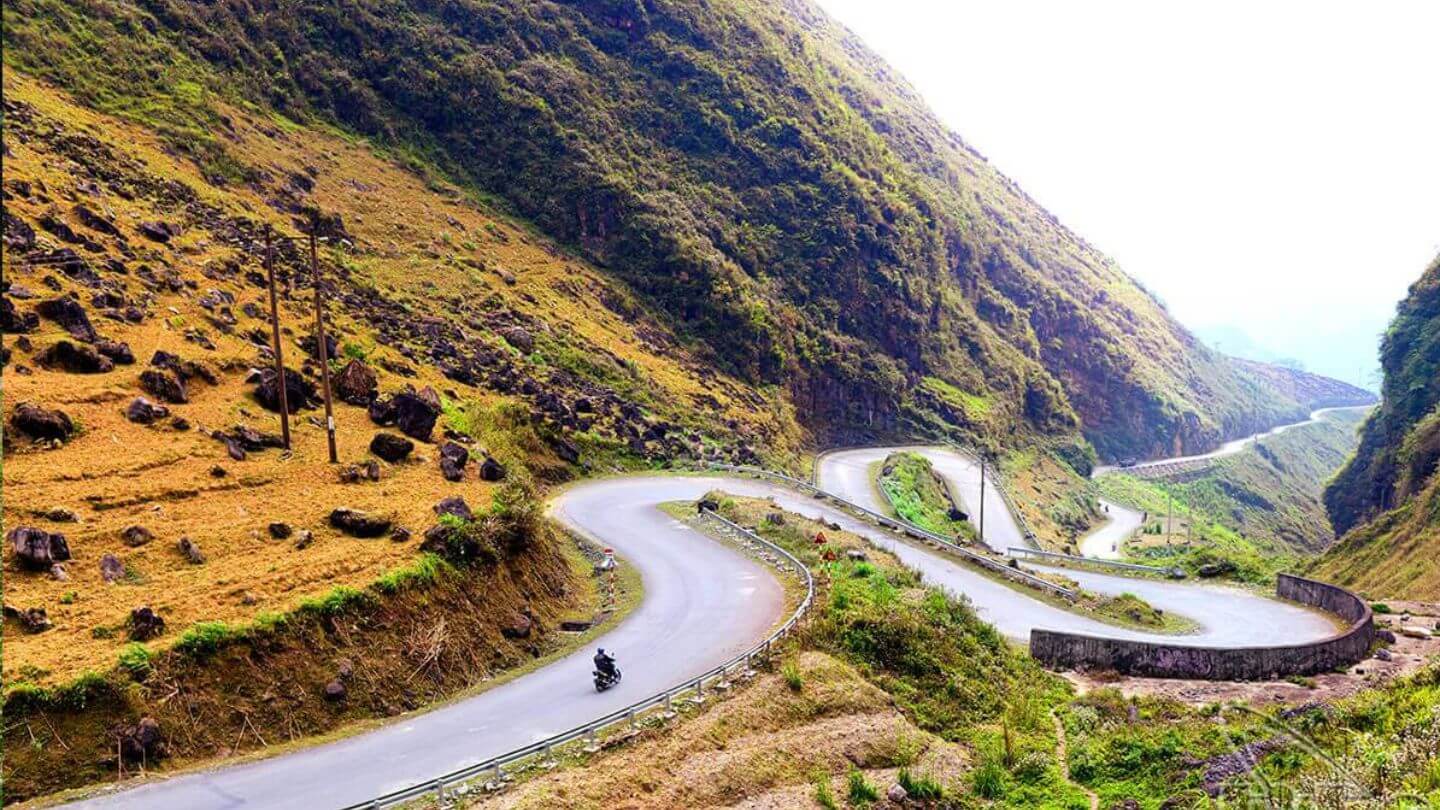
👉 Quick Overview
- Distance: ~250 km (Sapa → Ha Giang city)
- Travel time: 6–8 hours
- Transport: Bus, Motorbike, Private Car
- Best season: September–November & March–May
- Difficulty: Moderate to challenging, especially by motorbike
The Ha Giang loop is celebrated as one of Southeast Asia’s most impressive overland routes, a favorite among adventurous backpackers. Covering about 350 kilometers, it begins in Quan Ba, passes through Yen Minh, Dong Van, Meo Vac, and returns to Quan Ba.
This scenic road meanders through valleys, high passes, abysses, geological formations, and canyons. Its highlight, the Ma Pi Leng Pass, offers breathtaking views of Vietnam’s majestic mountains. Along the journey, travelers encounter 22 ethnic groups, each with unique cultures and delicious cuisines, enriching the experience of exploring this captivating region.
How Do I Get To Ha Giang From Sapa?
To reach Ha Giang from Sapa, you can opt for either motorbike or bus travel. Here’s a guide to help you decide the best option for your journey.
By Motorbike
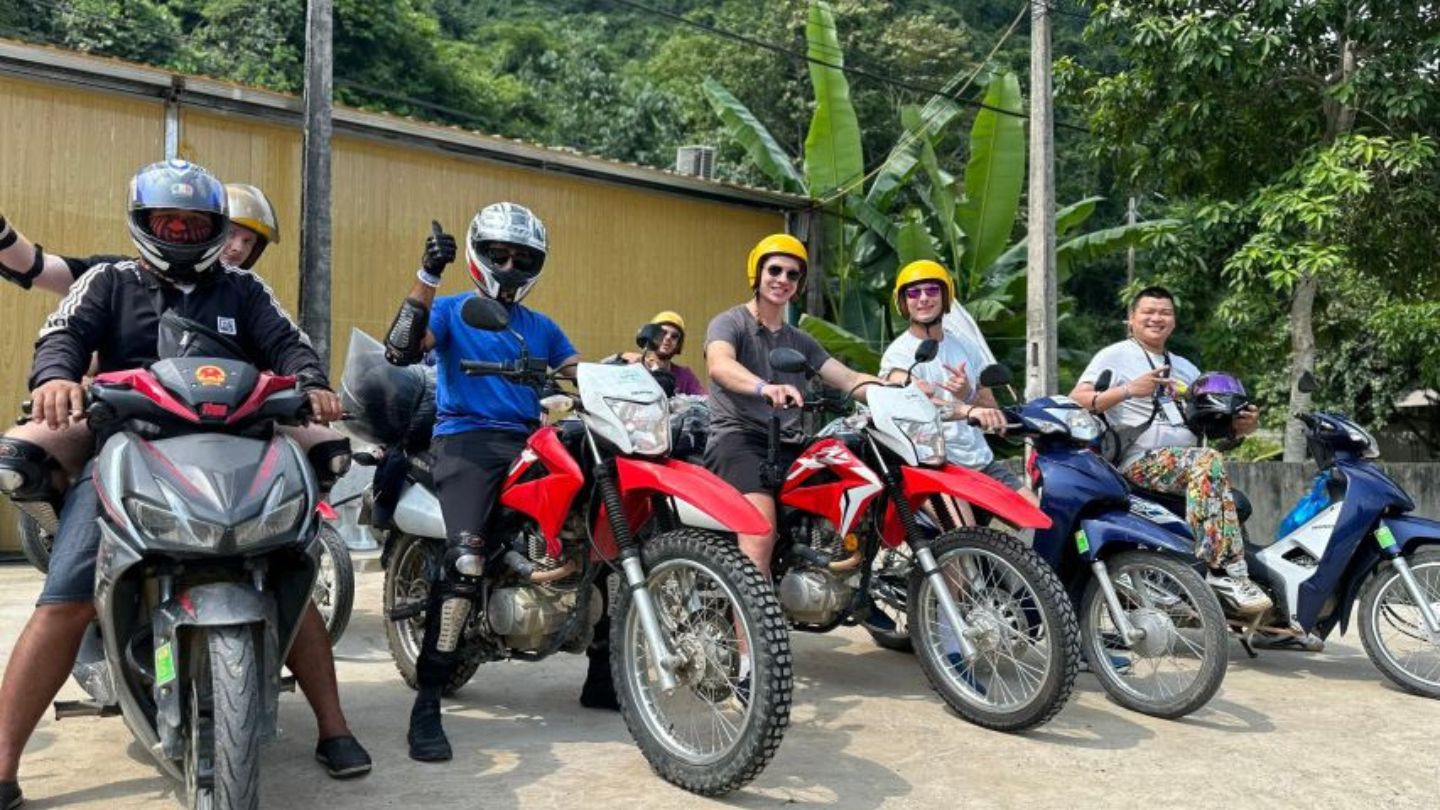
- Duration: 6–7 hours of continuous riding
- Cost: ~$25/day rental (plus fuel $10–15)
- Route: Sapa → Lao Cai → Bac Ha/Xin Man → Ha Giang City
- Challenges: steep passes, unpredictable weather, limited gas stations
- Best for: Experienced riders confident with mountain roads
- Pro Tip: Break the trip into 2 days with an overnight stay in Bac Ha to avoid exhaustion.
To get to Ha Giang from Sapa by motorbike, you will need to take the QL4D road, which is about 200 kilometers long and takes around 6-7 hours to ride. The road offers stunning views of mountains, rice terraces, and local villages.
When traveling by motorbike from Sapa to Ha Giang Loop, you have the option of choosing between Easy Rider or Self-Riding.
- Easy Rider offers the convenience of having an experienced guide lead the way, ensuring you don’t get lost and providing insights along the journey.
- On the other hand, Self-Riding gives you the freedom to explore at your own pace and make spontaneous stops as you please. If you’re unsure which option to choose or want to skip the hassle of finding a reliable motorbike provider, consider joining our Ha Giang Loop Tour, offering a specific itinerary for a worry-free adventure.


By Bus
- Duration: 7–8 hours
- Cost: $15–20
- Departure point: Sapa bus station → Ha Giang bus terminal
- When to choose: If you want the safest and easiest option.
Booking tip: Tickets can be reserved online via trusted agencies. Night buses allow you to save time and accommodation cost.
To travel from Sapa to Ha Giang Loop by bus, you can take a direct route that typically involves a journey of around 6-7 hours. Buses depart from Sapa town and travel northeast through scenic mountainous terrain. Along the way, you’ll pass through picturesque landscapes and local villages, offering glimpses of rural life in northern Vietnam. Our guide on the Sapa to Ha Giang bus journey includes essential tips and top recommendations for choosing reliable bus services along this scenic route.
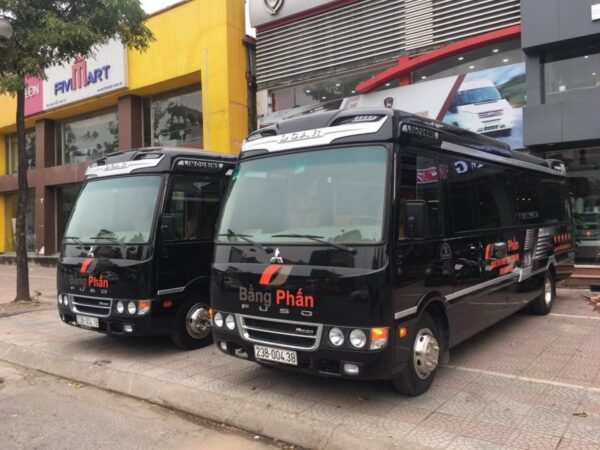

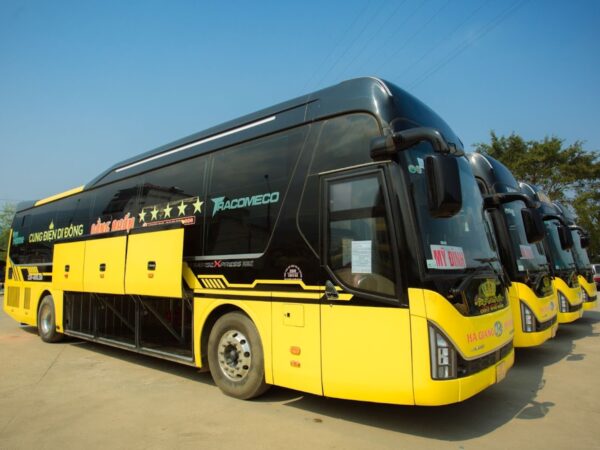
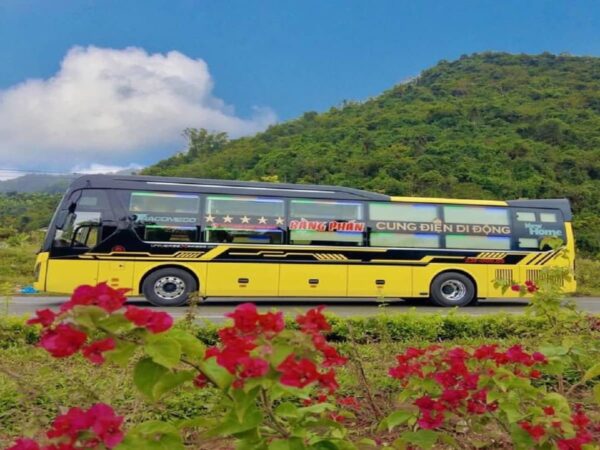
Furthermore, we have designed our custom itinerary for you, which includes transportation by bus and designated locations to explore along the way. This specially curated plan ensures that you have a hassle-free and enjoyable experience as you journey through the various destinations.
Suggested Itineraries
✦ 3D3N Ha Giang Loop Tour (Classic Loop)
- Day 1: Ha Giang City – Quan Ba – Yen Minh – Dong Van town (~150km)
- Day 2: Dong Van Town – Ma Pi Leng pass – Meo Vac – Du Gia village (~110km)
- Day 3: Du Gia village – Lung Tam village – Ha Giang city (~80km)
- Night 4: Take the bus to Hanoi from Hong Hao Hostel
✦ 4D4N Ha Giang Loop Tour (Recommended)
- NIGHT 0: Transfer to Ha Giang from Hanoi
- DAY 1: Ha Giang city – Yen Minh– Lung Cu flag point – Dong Van Town (~150km)
- DAY 2: Dong Van town – Ma Pi Leng – Nho Que river – Dong Van town. (~100km)
- DAY 3: Dong Van – Meo Vac – Du Gia waterfall – Du Gia Village. (~100km)
- DAY 4: Du Gia – Lung Tam village – Quan Ba – Ha Giang city – Ha Noi. (~100km)
💡 Here are some other tours you might be interested in. You can check them out here for more detailed information about each tour.
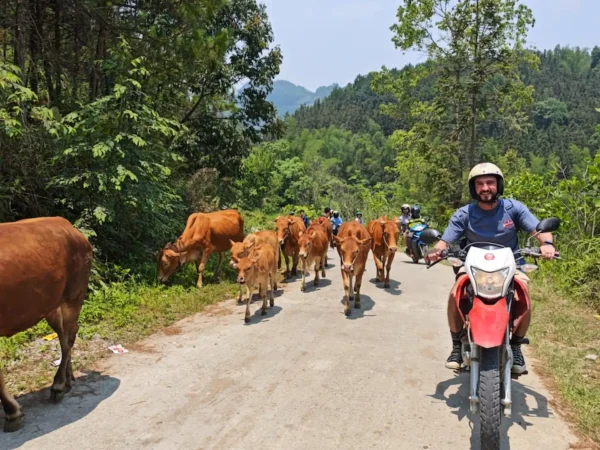

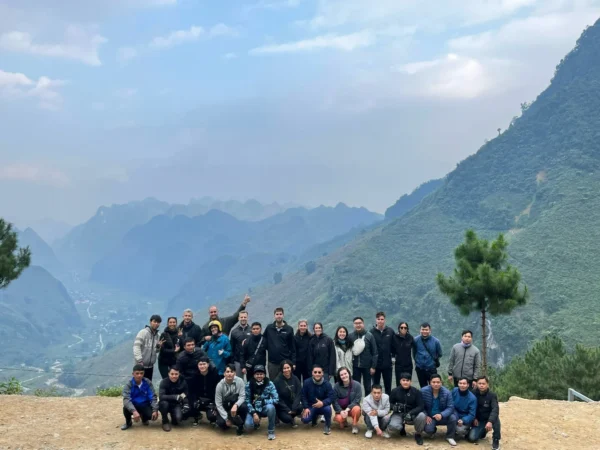

Cost Breakdown
| Expense | Budget | Mid-range | Luxury |
| Transport | $15 bus / $25 motorbike rental | $50 shared car | $100+ private car |
| Accommodation | $5 homestay | $15–20 guesthouse | $50+ boutique hotel |
| Meals | $2–3 local food | $5–10 restaurants | $20+ fine dining |
| Total (3N/2D) | ~$80–100 | $150–200 | $300+ |
👉 Average daily spend: $30–50 for budget travelers.
What to See & Do on the Ha Giang Loop?
Let’s check out the amazing things you can see and do on the Ha Giang Loop, from epic mountain passes to local cultural experiences.
Must-See Attractions
- Ma Pi Leng Pass – The most dramatic mountain pass in Vietnam, overlooking the Nho Que River canyon.
- Dong Van Karst Plateau (UNESCO Geopark) – Breathtaking limestone formations and traditional H’mong villages.
- Lung Cu Flag Tower – Standing at the northernmost point of Vietnam.
- Meo Vac Sunday Market – A vibrant ethnic minority gathering, full of colors and culture.
- Du Gia Village – Serene countryside with rice terraces and waterfalls.
Cultural Experiences
- Stay in a local homestay with H’mong or Tay families.
- Join traditional meals and try corn wine (ruou ngo).
- Explore ethnic markets where locals trade everything from livestock to handmade textiles.
Best Time to Visit
- September–November: Rice harvest season, clear skies, golden terraces.
- March–May: Mild temperatures, blooming flowers, pleasant riding conditions.
- December–February: Cold and foggy, but mystical atmosphere (be cautious on motorbike).
- June–August: Rainy season, risk of landslides – not recommended for riders.
💡 Tip: Always check weather conditions before departure.
Safety Tips & Practical Advice

- Carry an International Driving Permit if you plan to ride.
- Always wear a helmet and protective gear.
- Download offline maps (Maps.me) – phone signal is weak in remote areas.
- Refuel whenever you can – gas stations are sparse.
- Bring cash – ATMs are rare outside Ha Giang city.
- Respect local culture: ask before taking photos, dress modestly in villages.
Best Places to Stay in Ha Giang
Whether you’re starting or ending your loop in Ha Giang, you’ll find a variety of accommodations:
- Budget: Ha Giang Hostel, Bong Hostel – great for backpackers with dorm beds from $5–7.
- Mid-range: Jasmine Hostel, Homie Homestay – comfortable private rooms with authentic local vibes (~$15–20).
- Unique stays: Du Gia Homestay, Dong Van Old Quarter Guesthouse – stay with local families, enjoy home-cooked meals, and immerse yourself in ethnic culture.
💡 Tip: Book in advance during weekends and festival times, as Ha Giang gets busy with both local and foreign travelers.
Common Mistakes to Avoid on the Ha Giang Loop
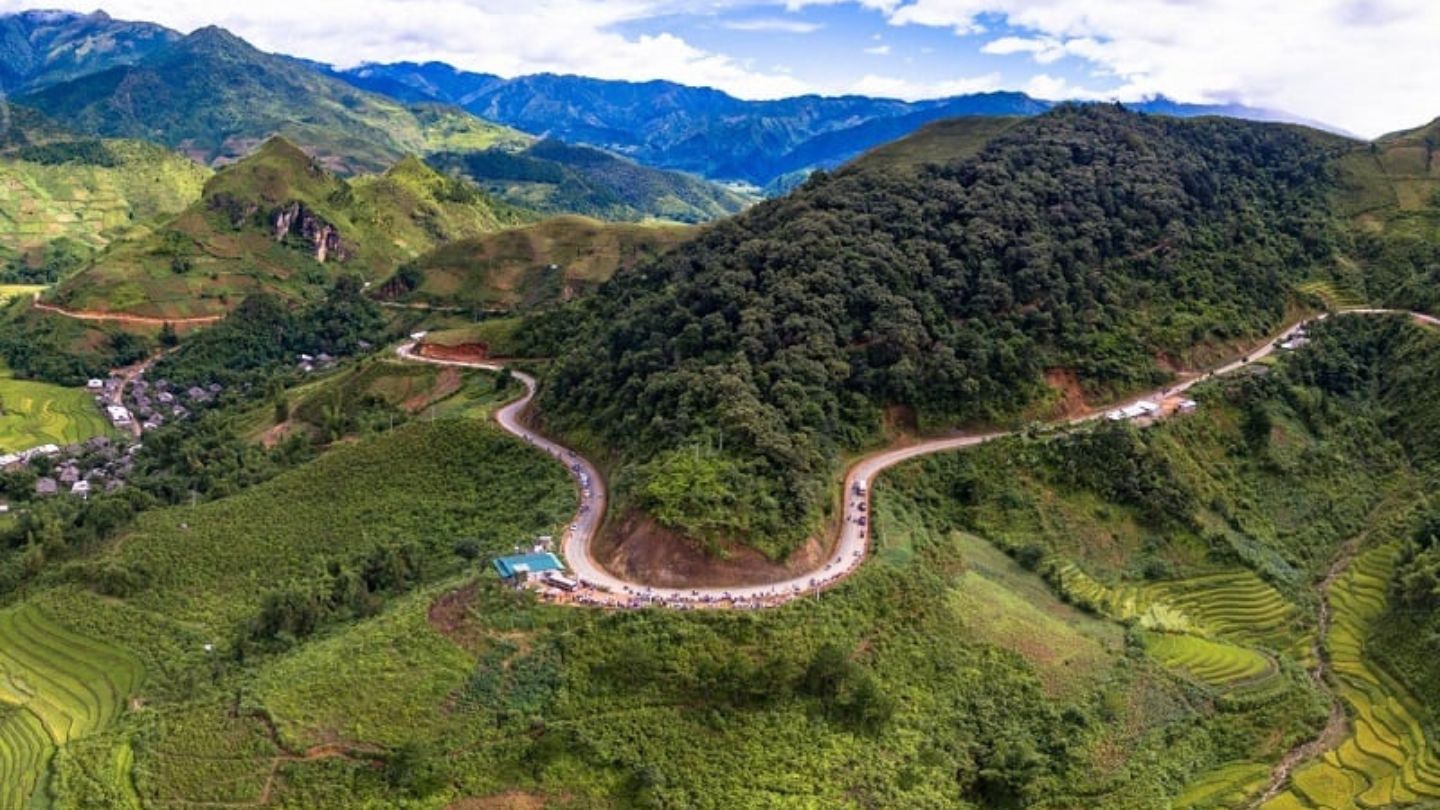
- Underestimating the roads: The terrain is steep and tricky—don’t push for too many kilometers in one day.
- Not carrying cash: ATMs are rare outside Ha Giang City.
- Traveling in the rainy season: Landslides and slippery roads can be dangerous.
- Riding without a permit: Foreigners need a travel permit—get it at hostels or police stations.
- Skipping fuel stops: Gas stations are far apart; refill whenever possible.
👉 Avoiding these mistakes will make your journey smoother and safer.
Packing List for the Ha Giang Loop
Make sure you’re well-prepared for mountain riding:
- Valid international driver’s license (if riding).
- Helmet + protective gear (don’t rely on cheap rentals).
- Warm clothes & rain jacket (weather changes fast).
- Power bank & offline maps (signal is unreliable).
- Reusable water bottle (stay hydrated and eco-friendly).
- Small cash notes for food, fuel, and village markets.
💡 Travel light—most homestays provide blankets and basic amenities.
Conclusion
In conclusion, Sapa to Ha Giang Loop is a breathtaking journey through the stunning landscapes of northern Vietnam. From lush rice terraces to towering mountains and vibrant hill tribe villages, this route offers an unforgettable adventure for travelers seeking natural beauty and cultural immersion. Sapa to Ha Giang Loop is truly a one-of-a-kind travel experience that will leave a lasting impression on any visitor.
FAQs
How long does it take from Sapa to Ha Giang
About 6–8 hours depending on your mode of transport.
Is it safe to ride a motorbike?
Yes, but only if you have experience with mountain roads. If not, consider booking a tour with an easy rider.
Do foreigners need a permit for Ha Giang
Yes, a travel permit (~$10) is required and can be arranged by your hostel in Ha Giang.
Can you go from Sapa to Ha Giang Loop?
Yes! If you ave the time, the Sapa to Ha Giang journey is a must-see in Northern Vietnam. Even with just a day or two, you can catch a bus to Ha Giang and explore highlights like Heaven’s Gate or Ma Pi Leng Pass—it’ll be an unforgettable experience.
How risky is the Ha Giang loop?
The Ha Giang Loop can be tough with steep roads and changing weather, so riding carefully is key. With good prep, awareness, and the right gear, you’ll be able to enjoy this stunning adventure safely.