


 Home
Home Things To Do in Sapa
 Transport Hanoi – Sapa
 Other Routes
 Things to do
 Travel Guide
Mai Chau or Sapa: Pick the Ideal Vietnamese Mountain Getaway
Vietnam offers stunning mountain destinations, and two of the most popular are Mai Châu and Sapa. Both are known for breathtaking landscapes, rich culture, and immersive experiences, but which Mai Chau or Sapa is the best for your next trip? This guide provides a detailed comparison to help you decide.
| Mai Chau |
Sapa |
|
| Location |
|
|
| Geography |
|
|
| Weather | Humid subtropical, dry winter | Cool summers and mild winters |
| Transportation | More options | Fewer options |
| Accommodation | A wider range of accommodations | Has a lot fewer accommodations compared to Sapa |
| Cultural Experience | 6 main ethnic communities | 4 main ethnic communities |
| Activities | Fewer activities | A broader range of activities |
A Brief Overview of Mai Chau or Sapa
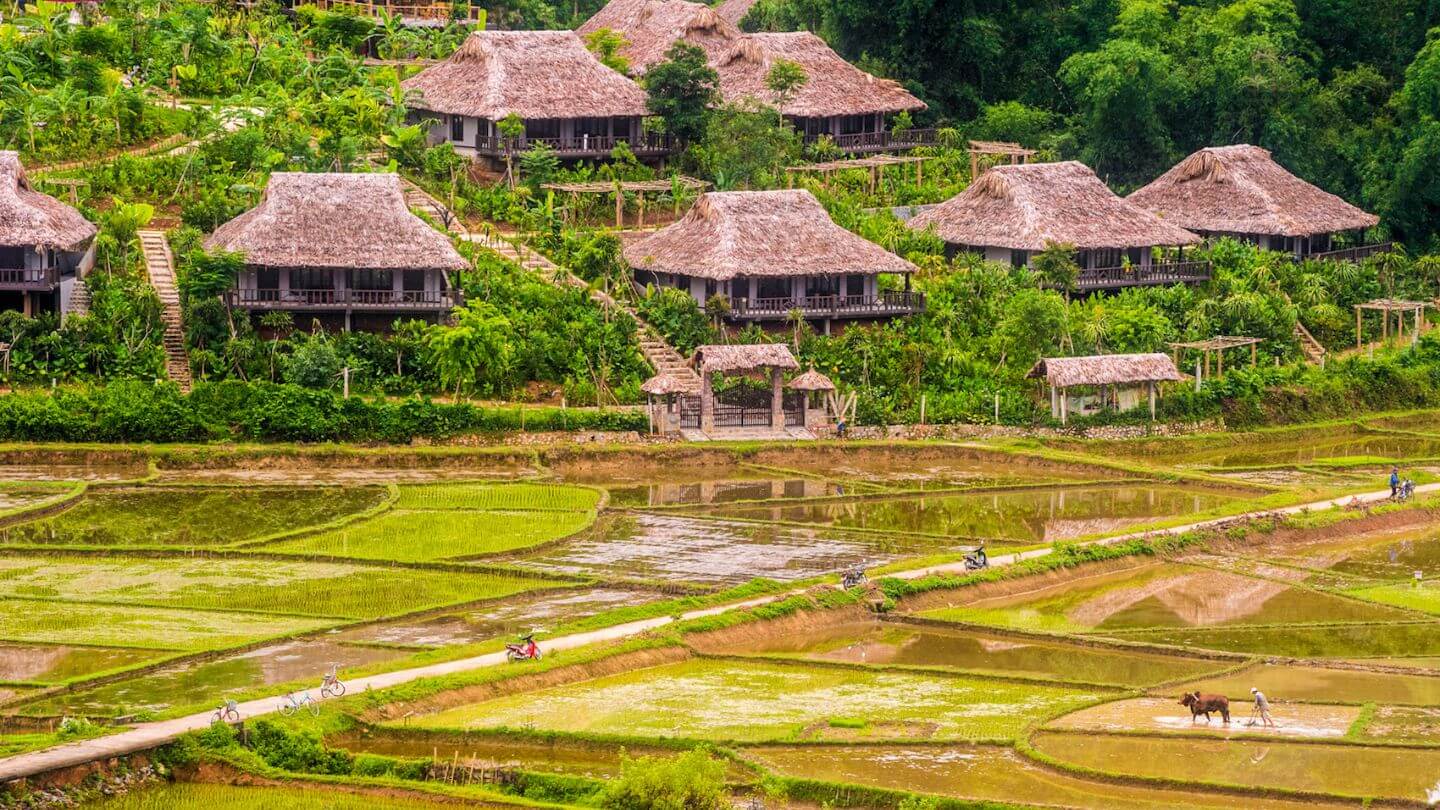
Mai Chau is located west of Hanoi, at the end of Hoa Binh province, and adjacent to Moc Chau, Son La, and Pu Luong of Thanh Hoa. The district is located about 130km from the center of Hanoi. Mai Chau, often called the “hidden sister” of SaPa, offers stunning landscapes and rich culture just a short trip from Hanoi. You can enjoy a relaxing 24 hours here without feeling rushed, thanks to its laid-back vibe.
Sa Pa Town is located in Lao Cai Province, north-west Vietnam, 350 kilometers from Hanoi and near the Chinese border. Sapa Town is well-known for both its beautiful, rocky environment and its diverse cultural heritage.
Geography: Mai Chau or Sapa
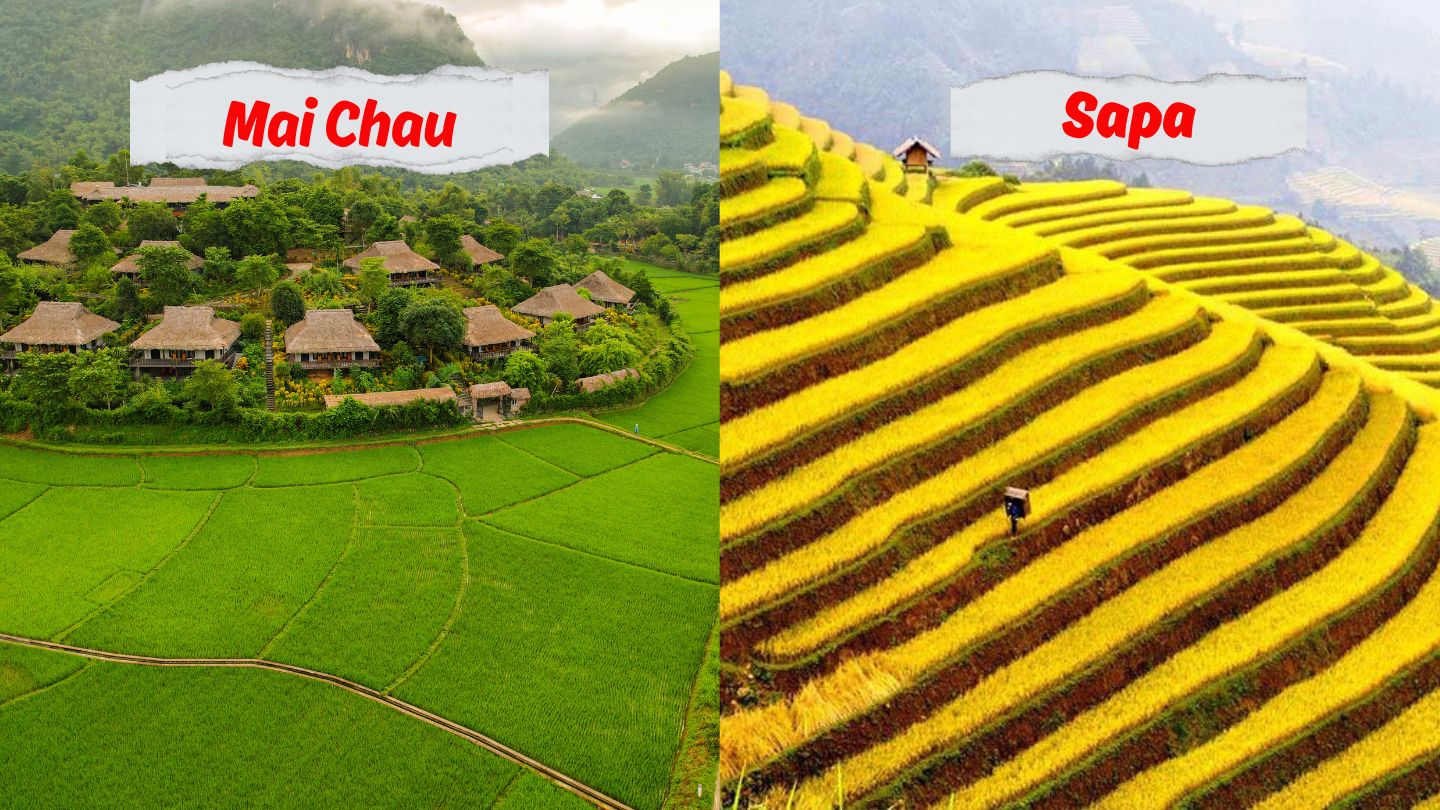
Sapa is vast and covers an impressive 6,384 km². Sapa is renowned for its stunning Vietnam rice fields that adorn the landscape with their vibrant colors. Nestled amidst a mountainous region, this area also boasts the presence of Vietnam’s highest peak, Fansipan. The breathtaking scenery and picturesque setting attract countless visitors who come to explore the beauty of these majestic mountains and witness the awe-inspiring rice terraces.
Mai Chau district covers a smaller area of 520 km² compared to the entire province which spans across 4,662 km². Unlike Sapa, another popular destination in Vietnam known for its picturesque terraced rice fields, Mai Chau does not boast these stunning landscapes due to its flat valley. Instead, the rice fields in Mai Chau are spread out evenly at the same level throughout the valley.
Mai Chau or Sapa: Weather Comparison
Curious about Mai Chau or Sapa? Let’s explore how weather shapes your experience in these enchanting destinations!
|
Mai Chau |
Sapa |
|
| Climate | Humid subtropical, dry winter | Cool summers and mild winters |
| Temperature | Generally, the entire year is warm to hot.
|
Overall, Sapa Vietnam temperature is considerably cooler than Mai Chau
|
| Rainfall | The wet season (July-September) | Uniformly dispersed throughout the year, with the occasional mist and fog |
| The ideal time to visit | October to April for nice weather and less rain | April-May and September-October for moderate temps and clear skies. |
Mai Chau or Sapa: Accessibility and Transportation
Curious about the best way to reach Mai Chau or Sapa? Let’s dive into their accessibility and transportation options to help you decide!
How to get to Mai Chau
Mai Chau, a serene retreat nestled in the northern highlands of Vietnam, beckons travelers with its tranquility and natural beauty. Accessible within a convenient 4-hour drive from the bustling city of Hanoi, reaching Mai Chau presents several travel options.
While there’s no train service available, travelers can opt for many different transportation such as buses, taxis, and motorbikes. If you’re looking to travel from Hanoi to Mai Chau, our article has you covered! We’ve gathered the best transportation options and tips to make your journey as smooth and enjoyable as possible



How to Get to Sapa
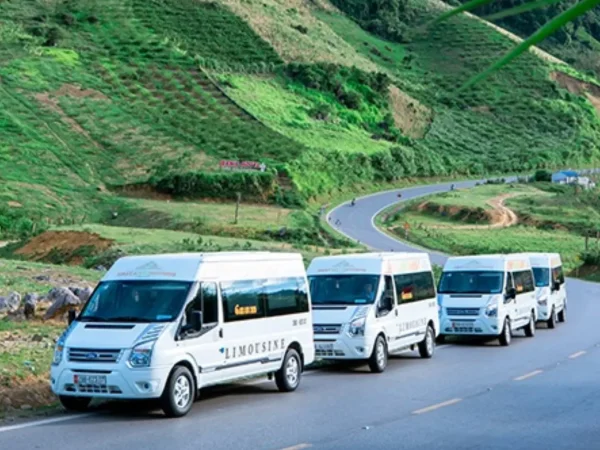
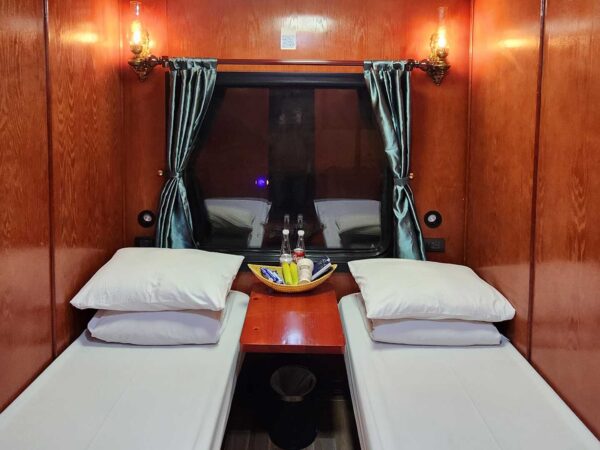
Getting to Sapa offers various travel options. One popular choice is taking an overnight train from Hanoi to Lao Cai, followed by a taxi or bus ride to Sapa. Alternatively, you can opt for a bus directly from Hanoi, a private car, or a motorbike rental for more flexibility. No airport exists in Sapa itself, but you can fly into Hanoi’s Noi Bai International Airport and continue your journey from there.






|
Mai Chau |
Sapa |
|
|
Bus |
$8 – $13 | $20 – $35 |
|
Taxi |
$175 | $150 – $200 |
| Motorbike | $15 – $20 |
$30 – $50 |
| Train | Not appliance |
$25 – $180 |
*Note: Please note that this is a reference price only because the price may change depending on the day, time, and different travel times of the year.
Accommodation Options: Mai Chau or Sapa
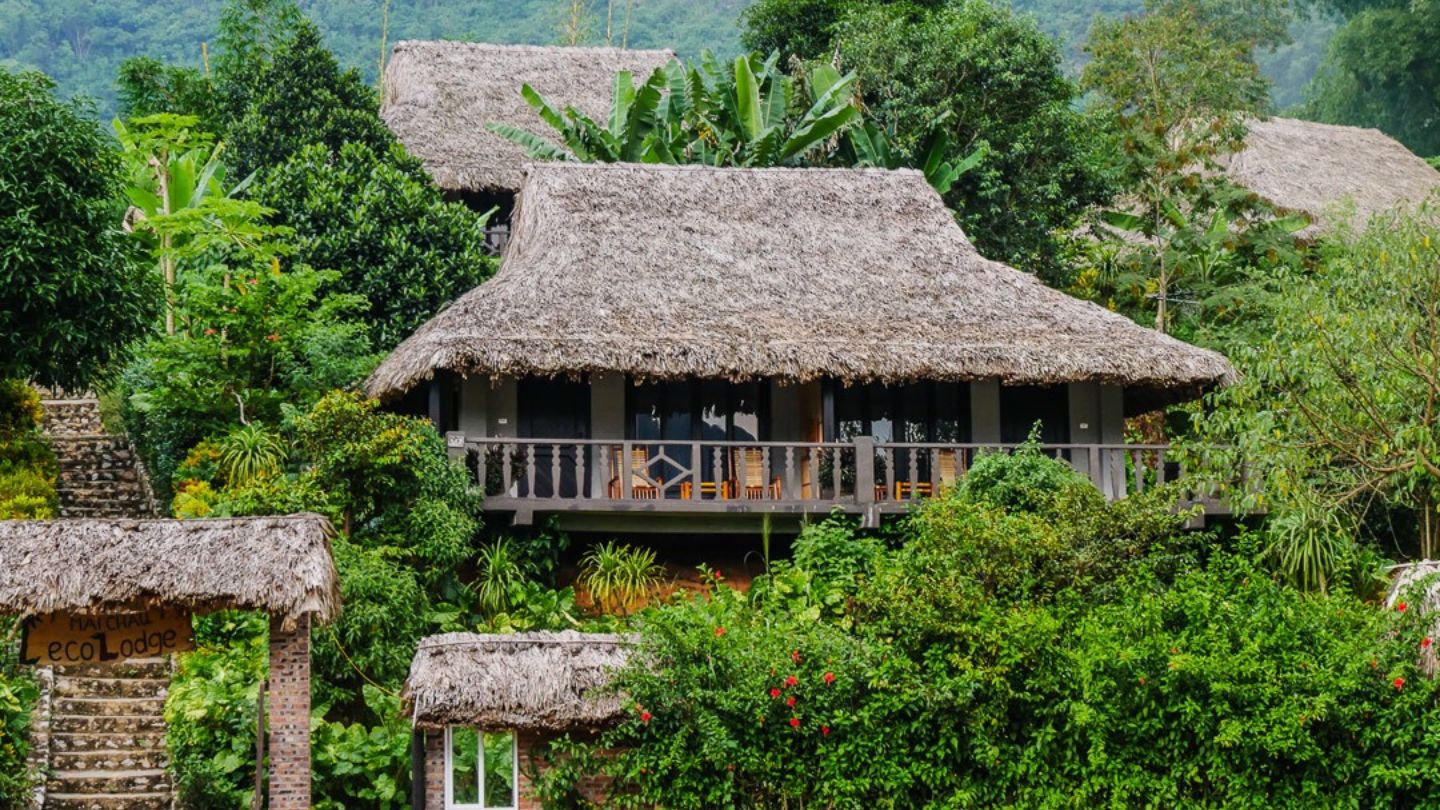
Mai Chau or Sapa are both popular destinations in Vietnam, offering unique accommodations for travelers. Sapa, a city nestled in the mountains, provides a wider range of options to suit any budget. From hostels to hotels, visitors can choose from various accommodations that cater to their preferences. Additionally, outside the city limits, there are homestays offered by local minorities and luxurious lodges that provide an immersive experience in rural areas.
Here we’ve carefully gathered a wide variety of accommodations to suit every taste and budget, so you can explore our selection and pick the perfect place that feels just right for your stay.
On the other hand, Mai Chau offers a more tranquil and remote setting compared to Sapa. There is no city in Mai Chau, all accommodations here are situated in the rural countryside. The options in Mai Chau are slightly more limited compared to Sapa but still charmingly authentic. Travelers can expect mainly homestays and lodges that allow them to connect with nature and immerse themselves in the local culture. There are also a few local hotels available for those seeking more traditional lodging.
Mai Chau or Sapa: Cultural Experiences
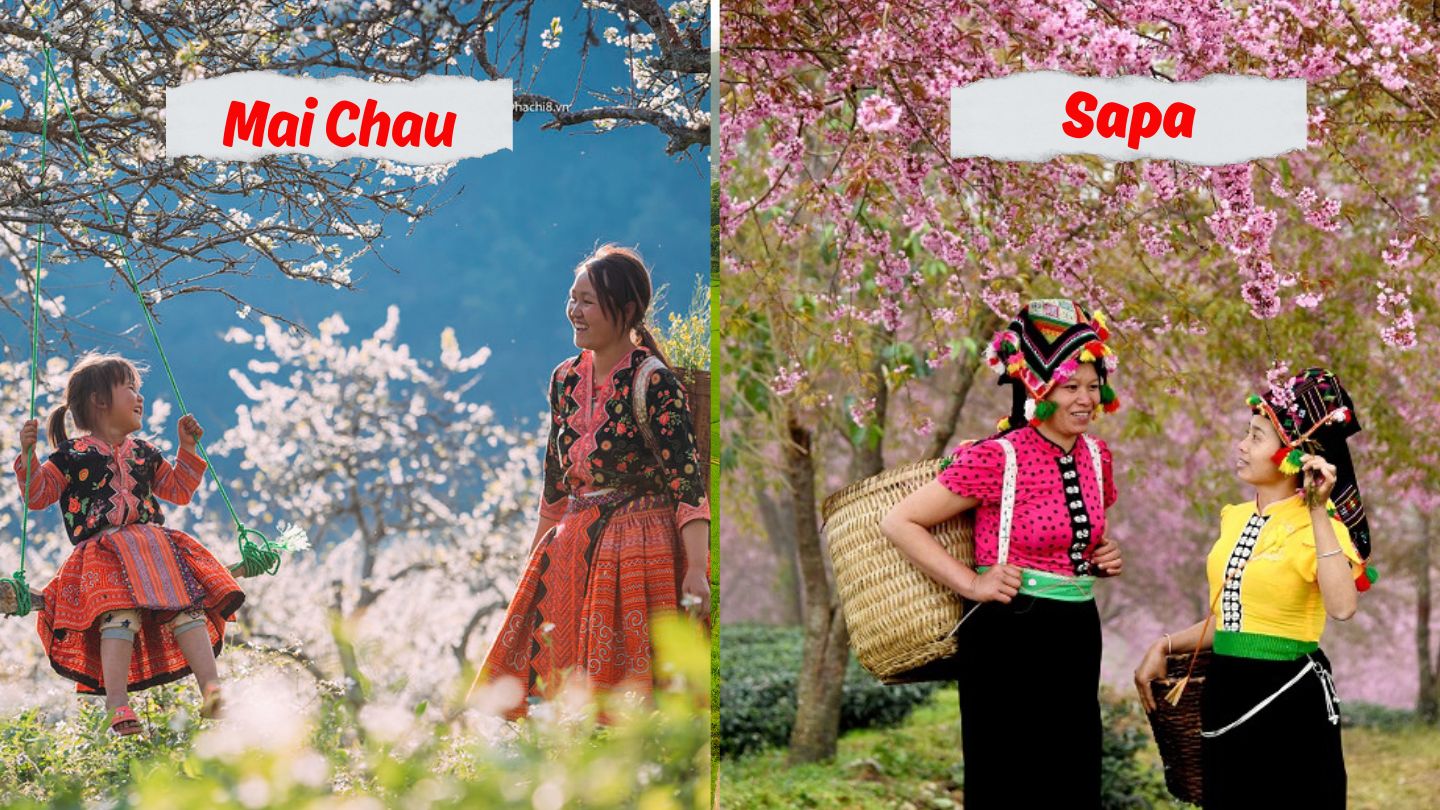
Mai Chau is known for its picturesque landscapes and the warm hospitality of the 6 main ethnic communities. The cultural experience in Mai Chau revolves around immersing yourself in the daily life of the locals. You can stay in traditional stilt houses, indulge in delicious local cuisine, and witness traditional dances and music performances. The locals are incredibly friendly and welcoming, making it easy to connect with them on a personal level.
On the other hand, Sapa is home to 4 main ethnic minority groups such as Hmong, Dao, Tay, and Giay. The cultural experience here primarily revolves around trekking through Vietnam rice fields, visiting remote villages to meet different ethnic communities, and learning about their unique traditions and crafts.
Best Time to Visit Mai Chau vs Sapa
The best time to visit Mai Châu is from March to May and again in September and October, when the weather is cooler and more comfortable for outdoor activities. October is also harvest season, offering golden rice fields and vibrant village scenes. Visiting in the hot summer months, like July, can be challenging as daytime temperatures can reach the high 30s ºC (90 ºF), making trekking more exhausting, so it’s important to prepare accordingly.
In Sapa, the most pleasant months are April to May and September to November, when the weather is cooler and drier. During September and October, the terraced rice fields are at their peak, creating breathtaking landscapes perfect for photography and trekking.
What To Do in Mai Chau vs Sapa?
Sapa offers a broader range of activities compared to Mai Chau. Here are some activities between two famous destinations:
|
Activities |
Mai Chau |
Sapa |
|
|
Conclusion
In conclusion, both Mai Chau or Sapa offer unique experiences for travelers seeking to explore the beauty of northern Vietnam’s mountainous regions. While Mai Chau provides a more tranquil and authentic village experience, Sapa boasts breathtaking landscapes and opportunities for trekking adventures. Ultimately, choosing between Mai Chau and Sapa depends on your preferences for activities, scenery, and cultural immersion. Whichever destination you decide to visit, be sure to immerse yourself fully in the local culture and take in the stunning surroundings that these regions have to offer.
FAQs
Can I visit both destinations in one trip?
Yes, but plan for at least 4–5 days to enjoy both fully.
Is English widely spoken?
In both destinations, English is limited in rural areas; a local guide is recommended.
Which place is better for trekking?
Sapa is renowned for its challenging treks, including routes to Fansipan Peak. Mai Châu offers easier hikes through rice fields and ethnic villages, suitable for casual walkers and families.
Which place is better for photography?
Sapa offers dramatic landscapes with terraced rice fields and misty mountains, ideal for photographers. Mai Châu provides serene valley views, traditional stilt houses, and vibrant ethnic markets, perfect for capturing authentic rural life.