


 Home
Home Things To Do in Sapa
 Transport Hanoi – Sapa
 Other Routes
 Things to do
 Travel Guide
Sapa or Ha Giang: Unlock Your Perfect Travel Paradise
If you’re after easier access, a mix of comfort and adventure, and iconic terraced rice fields – Sapa is your best bet. If you’d rather experience raw, less-touristed mountain roads, epic panoramas, and authentic ethnic villages – Ha Giang will steal your heart. Both are breathtaking; the right choice depends on whether you want comfort or wildness.
Below is a table listing some of the major differences between Sapa or Ha Giang:
Aspect | Sapa 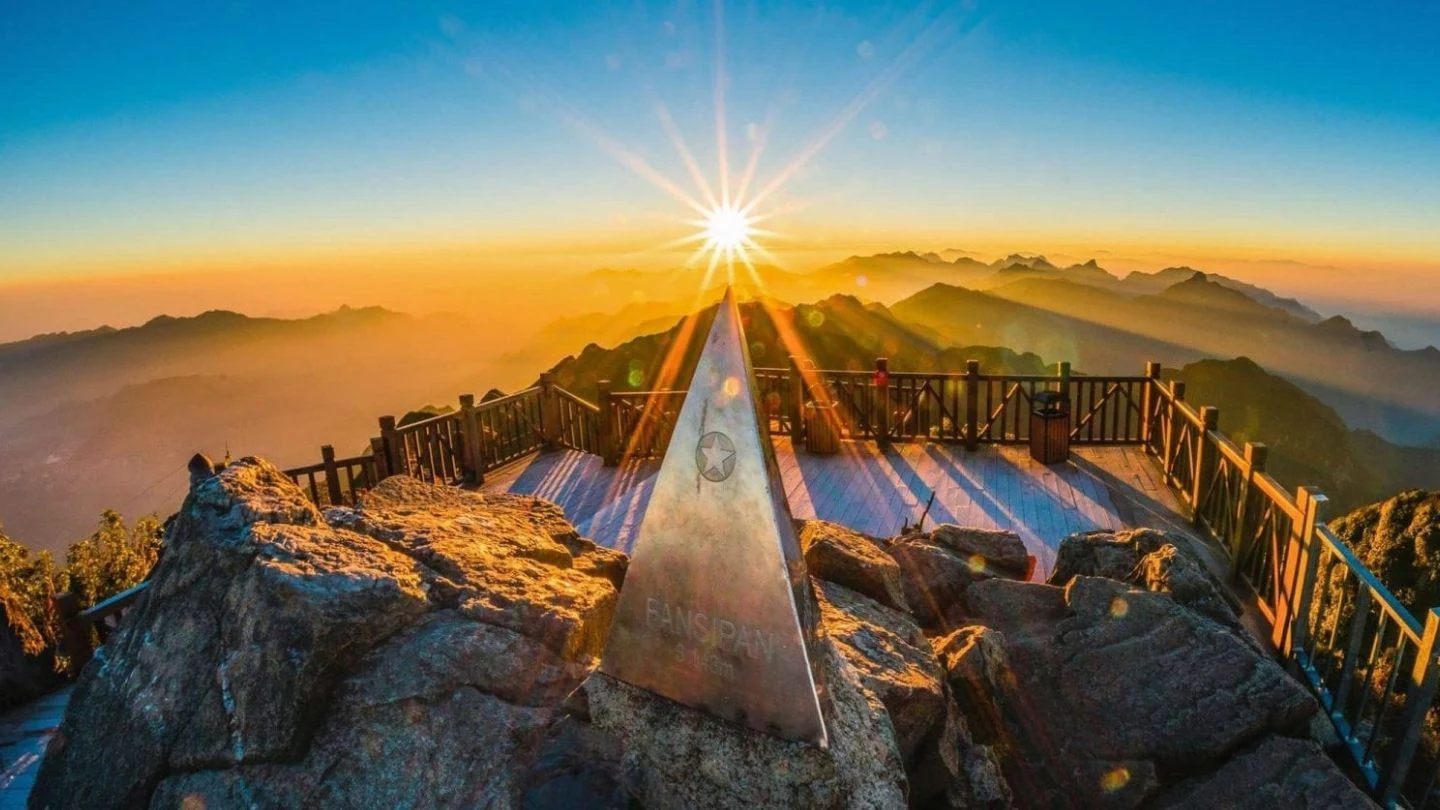 | Ha Giang 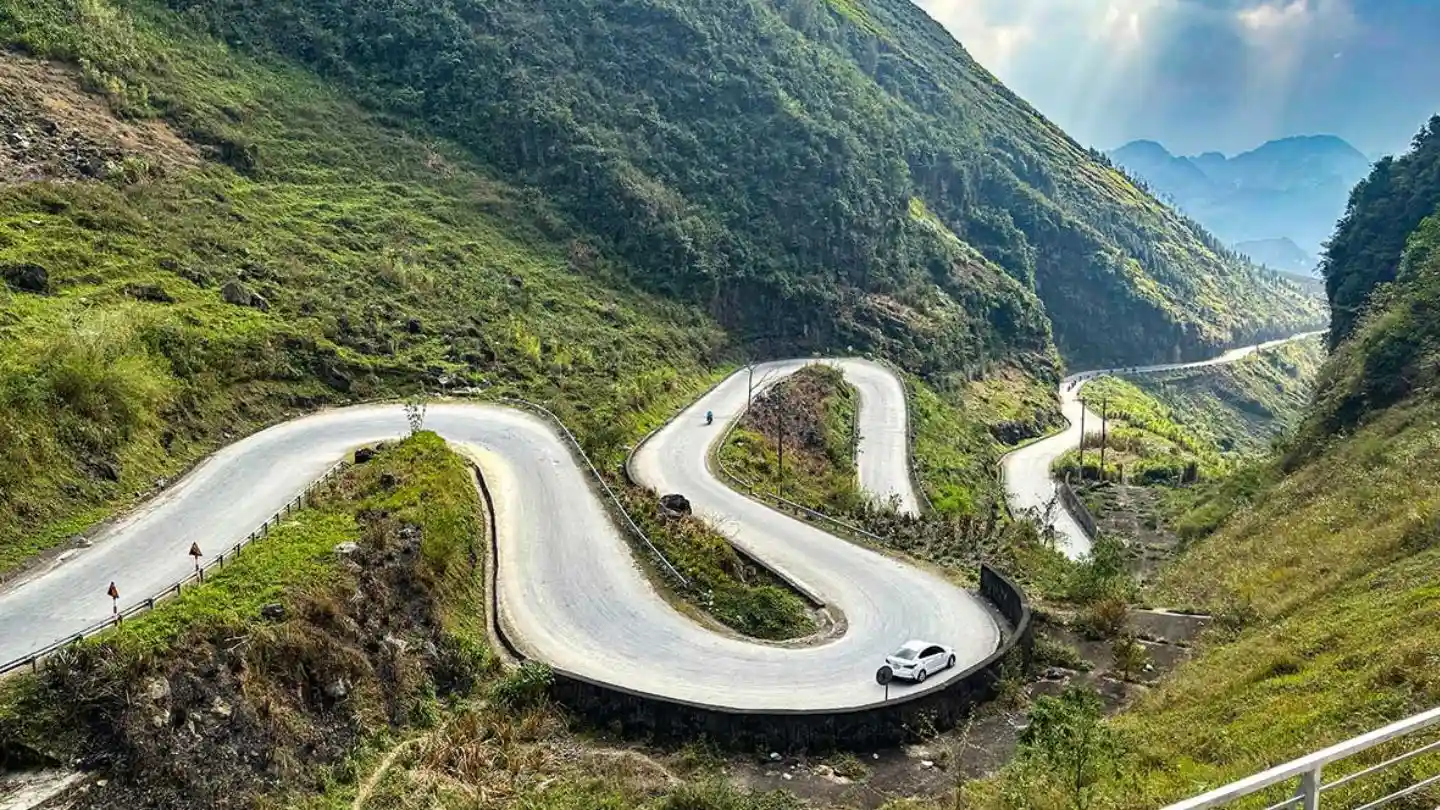 |
Accessibility | Easier to reach (6 hrs from Hanoi by bus/train + car) | Remote, 7–9 hrs from Hanoi with rugged roads |
Accommodation | Wide range: 5-star resorts, boutique hotels, homestays | Mostly homestays, simple 1–3 star hotels |
Scenery | Rice terraces, Muong Hoa Valley, Fansipan Peak | Majestic mountains, Dong Van Karst Plateau, Ma Pi Leng Pass |
Authenticity | More touristy in town, authentic villages nearby | Untouched charm, less touristed ethnic villages |
Ethnic Interaction | Locals accustomed to tourists, more outgoing | More reserved, quieter cultural exchanges |
Activities | Trekking, Fansipan climb or cable car, markets, villages | Ha Giang Loop motorbike trip, geopark exploration, passes |
Trip Duration | 2–3 days is enough | 3–5 days recommended (Ha Giang Loop takes time) |
Best Season | Mar–May & Sep–Nov (clear skies, pleasant weather) | Sep–Nov (buckwheat flowers, epic views) |
Best For | Travelers seeking comfort + adventure mix | Adventurers craving raw landscapes & road trips |
Watch Out | Tourist crowds in town | Dangerous narrow mountain roads, unpredictable weather |
A Brief Overview
Sapa
Perched in the Hoàng Liên Sơn mountains, Sapa is famous for its emerald rice terraces, Fansipan (the “Roof of Indochina”), and a vibrant mix of ethnic minority communities. With more hotels, restaurants, and transportation links, it’s easier for first-time visitors.
Ha Giang
Located further north near the Chinese border, Ha Giang is home to the UNESCO-recognized Dong Van Karst Plateau Geopark, according to the Vietnam National Authority of Tourism, a wonderland of dramatic limestone peaks and deep valleys. The legendary Ha Giang Loop offers one of the most scenic road trips in Asia, though the roads are challenging.
Similar Things Between Sapa vs Ha Giang
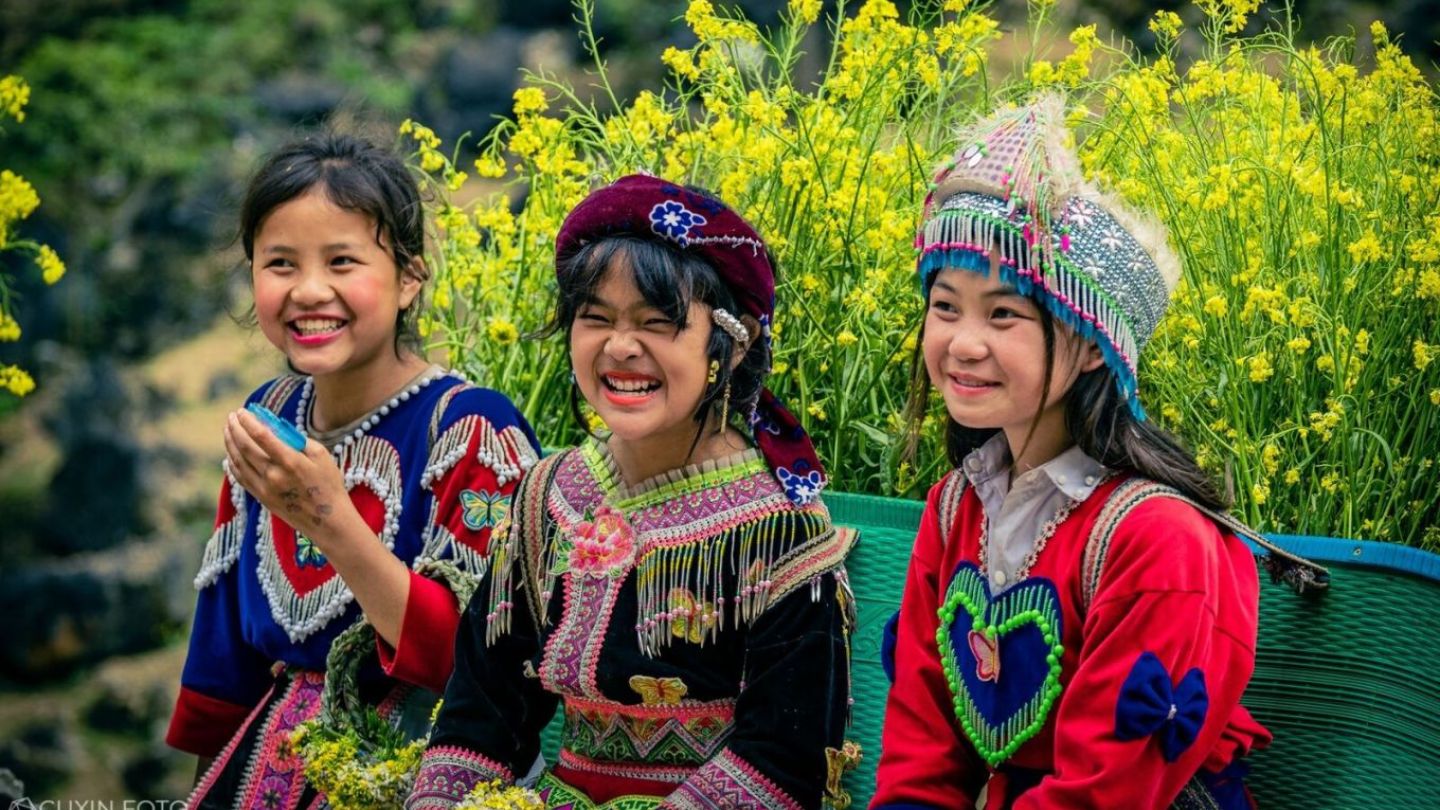
Sapa and Ha Giang feature vibrant ethnic Sapa markets where various hill tribes like the Hmong, Dao, Tay, Giay, Lu, and La Chi gather, offering a chance to experience their unique cultures. These markets are known for their vivid colors and aromatic scents, reflecting the rich cultural traditions of the mountain communities.
Here you go — you can check out our Sapa market tours right here. With carefully planned itineraries and friendly guides, we’ll make sure you have an unforgettable journey.


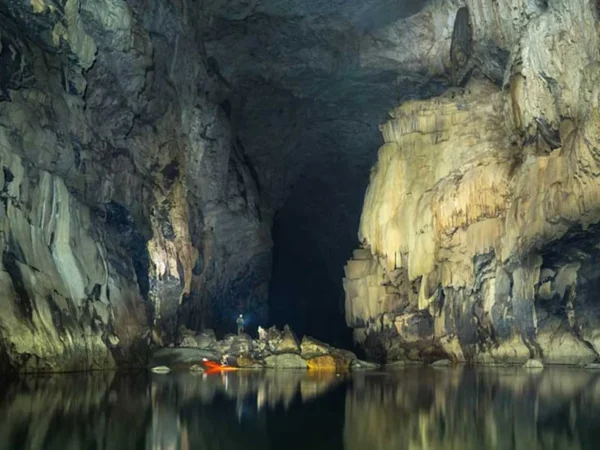
Ha Giang, in particular, hosts some of northern Vietnam’s most picturesque markets, including Dong Van, Meo Vac, Hoang Su Phi, and the annual love market in Khau Vai, which is a highlight for visitors seeking authentic cultural experiences in the region.
A Deep Comparison Between Sapa or Ha Giang
Sapa, with its well-developed tourism infrastructure and easier accessibility. On the other hand, Ha Giang attracts adventure enthusiasts with its raw, untouched beauty and rugged terrain. Here are some key differences between Sapa or Ha Giang:
Accommodation
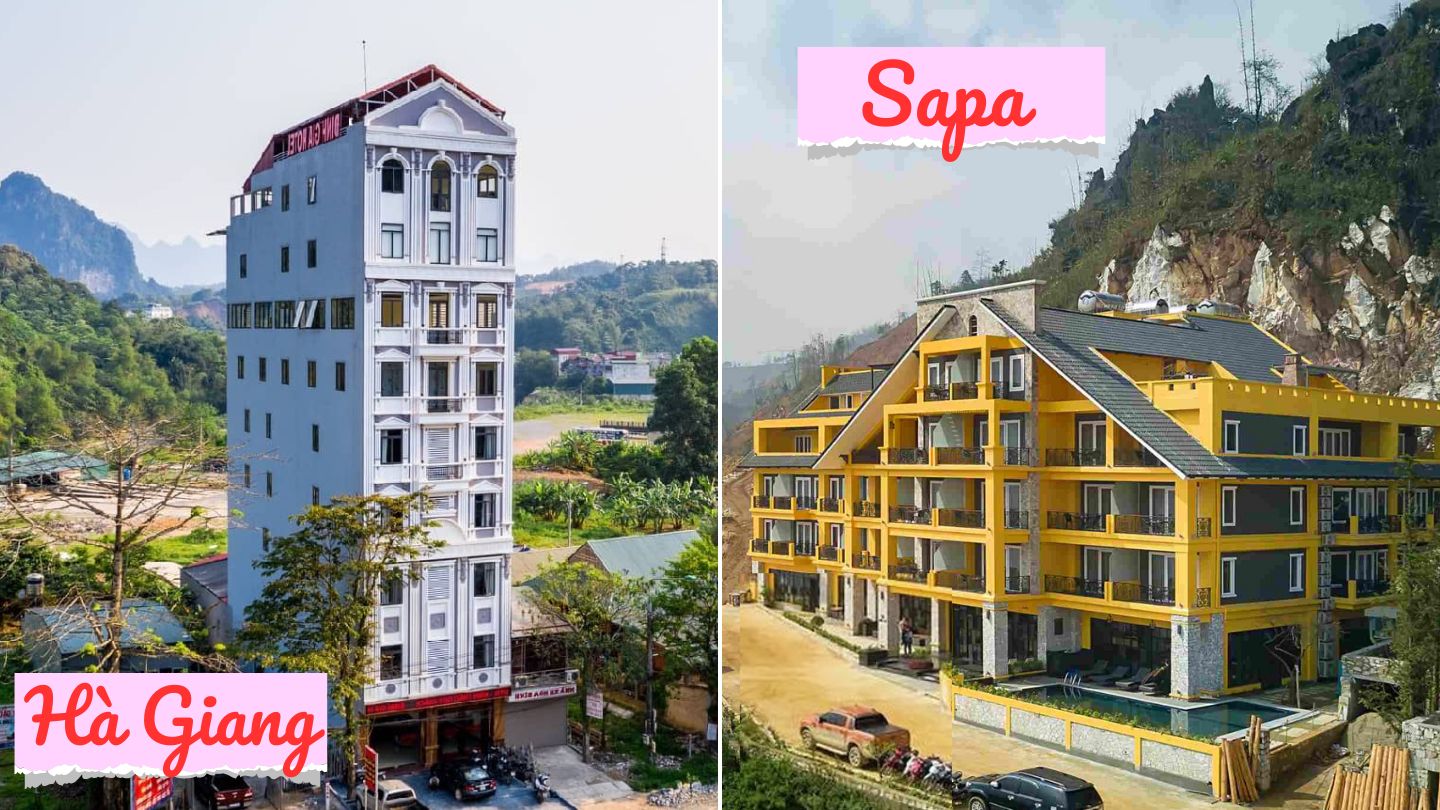
Winner: Sapa
When considering accommodation options between Sapa and Ha Giang, Sapa stands out as Northern Vietnam’s premier tourist destination, boasting a wide variety of lodging choices. Whether you prefer quaint homestays, luxurious 5-star resorts, or charming boutique hotels, Sapa offers something for every traveler’s taste and budget.
Related articles:
- Top 5+ 5-Star Accommodation in Sapa for Ultimate Comfort
- Ecolodge Sapa: Discover Breathtaking Eco Getaways Today
In contrast, Ha Giang’s accommodation scene is more modest, mainly comprising homestays and simpler 1 to 3-star hotels. Ha Giang provides a more intimate and community-focused lodging experience, ideal for travelers seeking authenticity and a closer connection to the region’s culture and landscapes.
Accessible Transportation
Winner: Sapa
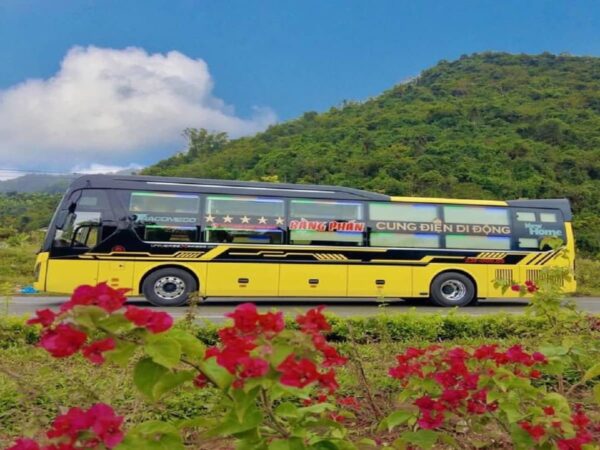
Sapa sits 1,600 meters high on the Hoang Lien mountainside, about 320 kilometers from Hanoi. For a comfortable and time-efficient journey to Sapa, consider taking the overnight train from Hanoi to Lao Cai Town near the Chinese border. From Lao Cai, it’s an hour by road to reach Sapa’s elevated location. There are various cabin classes available on the train Hanoi to Sapa to ensure your comfort. Alternatively, with the new highway, Sapa is now only a 6-hour drive from Hanoi by bus or car.’

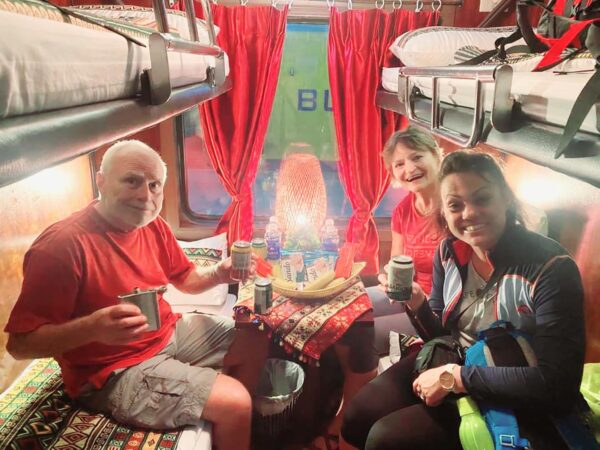
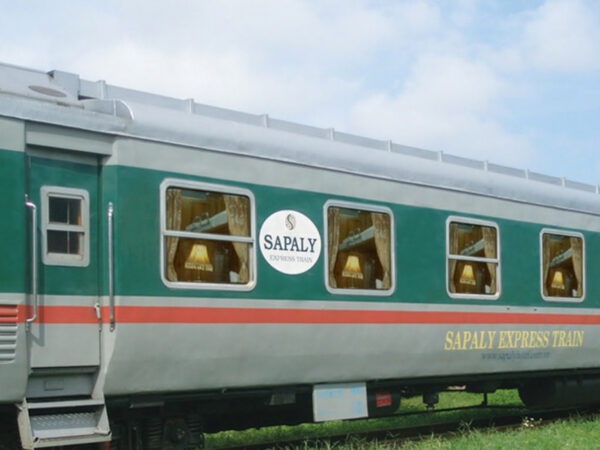
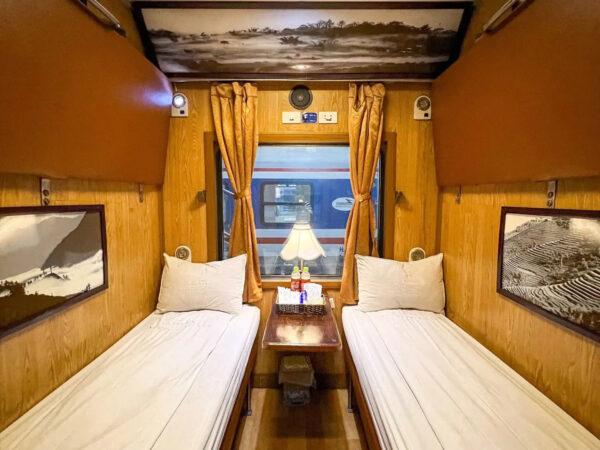

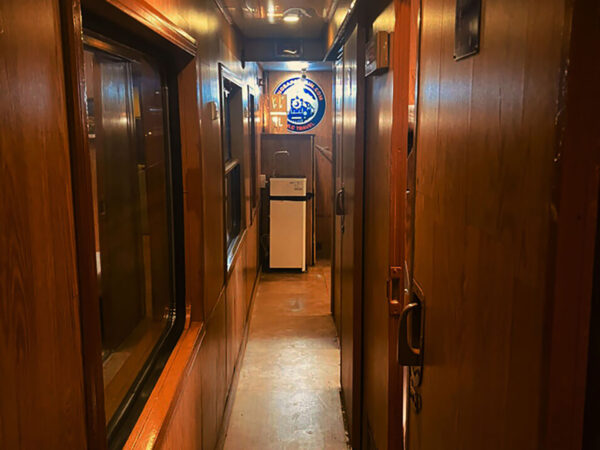
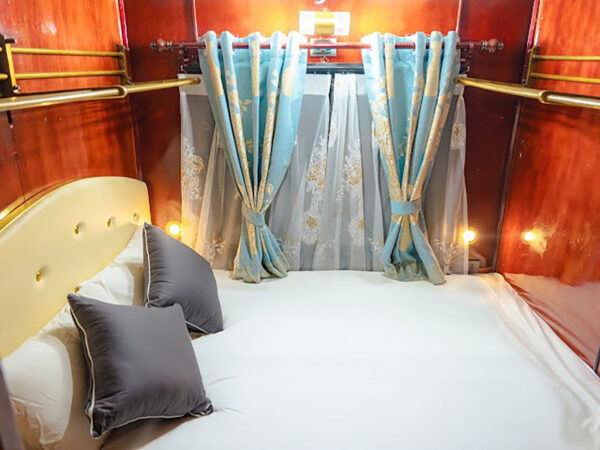
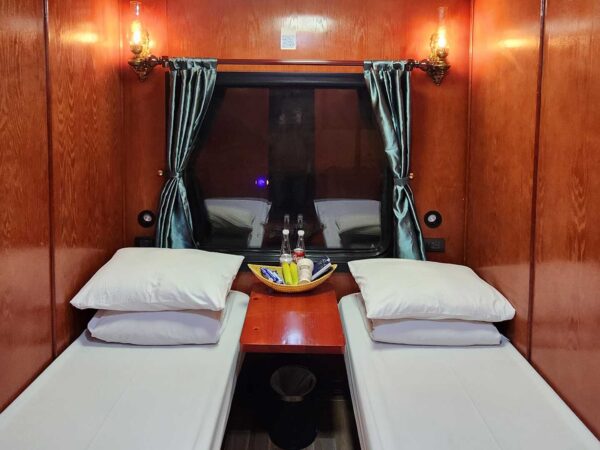
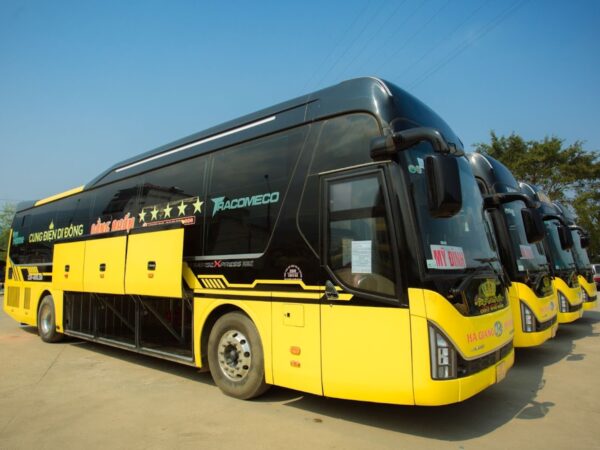
Ha Giang, situated 300 kilometers away from Hanoi, requires traversing rugged terrain, resulting in a journey that spans between 7 to 9 hours. While an overnight Sapa to Ha Giang bus offers a quicker option, it often sacrifices comfort, which may not meet the expectations of many travelers seeking a more pleasant journey experience.
Wondering how to get to Ha Giang? We’ve got several transport options to help you explore this beautiful region. Take a look and choose the one that feels just right for your adventure.



Scenery
Winner: Ha Giang
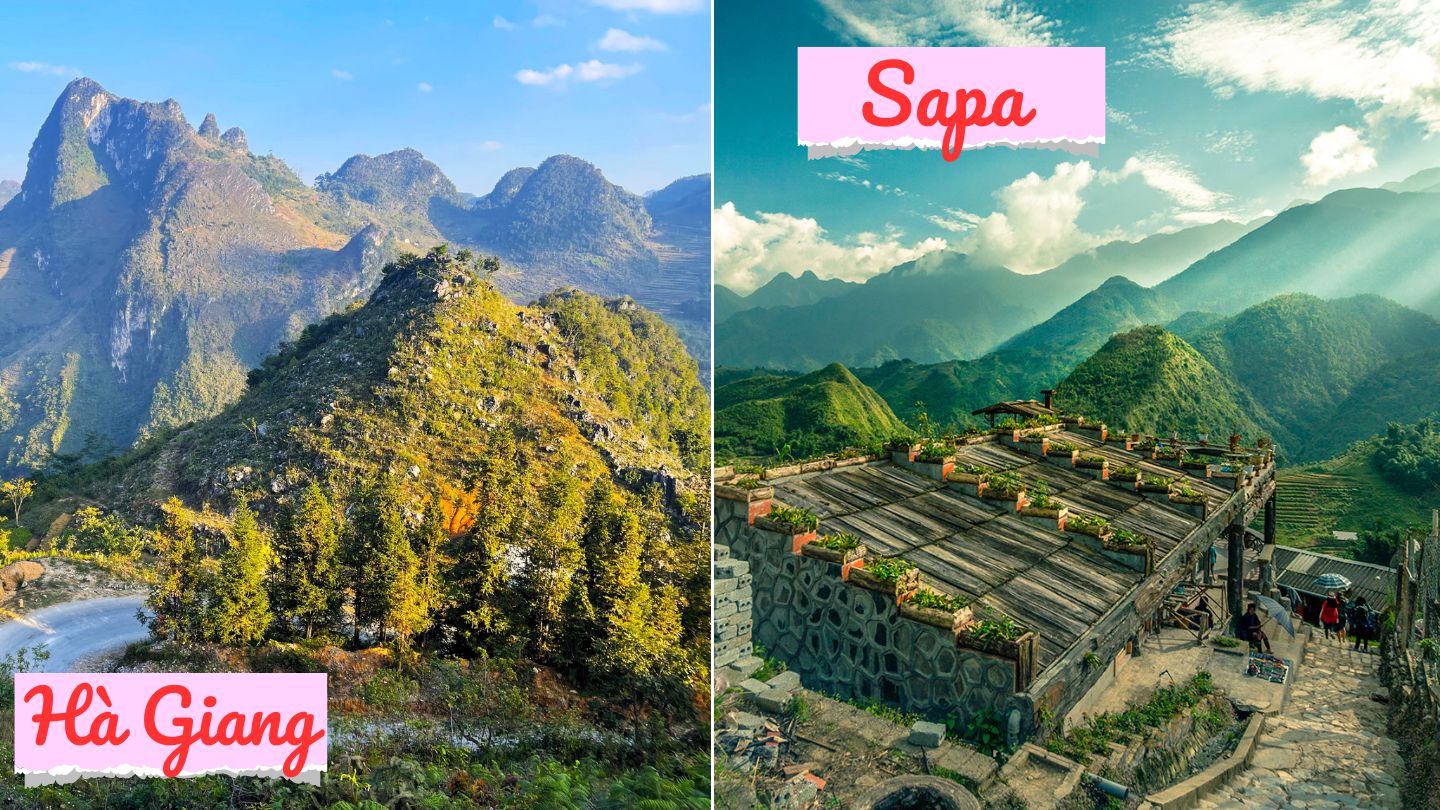
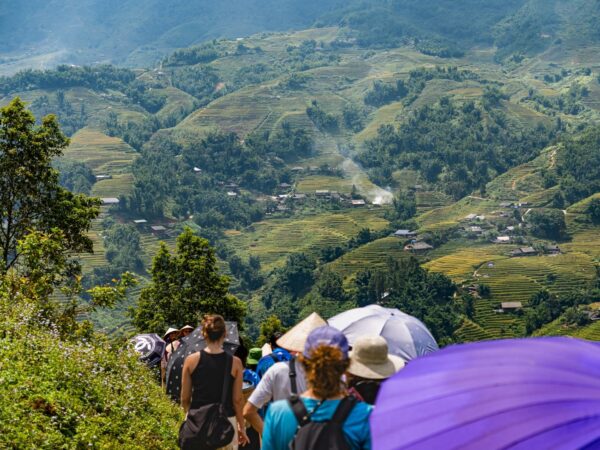
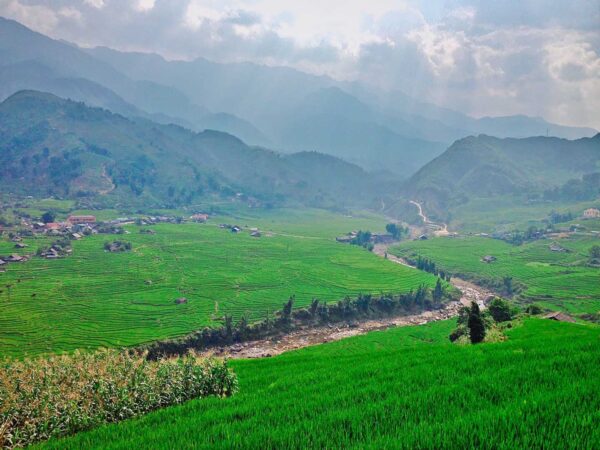
When comparing the scenery of Sapa or Ha Giang, both offer stunning landscapes but with distinct characteristics. Sapa showcases picturesque peaks and the serene Muong Hoa valley, famous for its Vietnam rice fields and traditional villages of ethnic minorities.
In contrast, Ha Giang impresses with its expansive and rugged terrain, featuring majestic mountain ranges, deep valleys, and winding roads that lead to breathtaking viewpoints. The scenery in Ha Giang is renowned for its vastness and natural beauty, providing adventurers and nature lovers alike with unforgettable experiences amidst Northern Vietnam’s captivating landscapes.
Authenticity Charm
Winner: Ha Giang
Comparing the authentic charm of Sapa or Ha Giang reveals differences in their tourist appeal. While Sapa’s main town has become more commercialized over time, its surrounding villages still retain their authentic character, inhabited by indigenous communities that offer a glimpse into local traditions.
In contrast, Ha Giang stands out for its untouched beauty and numerous ethnic villages, less visited by tourists. Here, travelers can experience a raw and genuine atmosphere, away from the more popular routes. Exploring Ha Giang’s hidden gems provides a unique opportunity to immerse oneself in the daily life and cultural richness of Vietnam’s northern highlands, making it a preferred choice for those seeking authenticity and tranquility.
Ethnic Minorities Interaction
Winner: Sapa
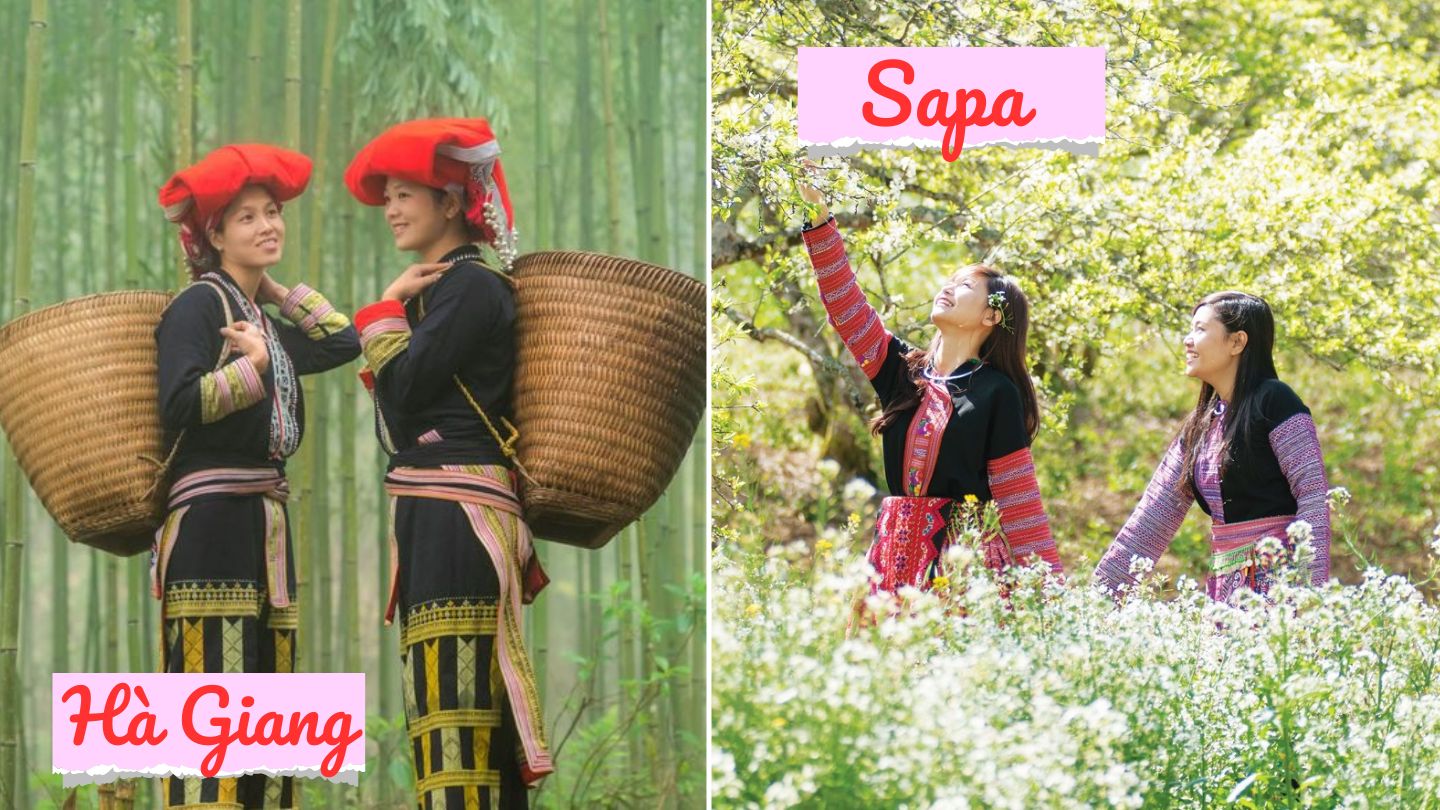
Comparing interactions with ethnic minorities in Sapa or Ha Giang reveals contrasting experiences. In Sapa, interactions often involve locals who are quite accustomed to tourists, actively engaging in selling crafts and offering guided tours. They are generally more outgoing and accustomed to sharing their culture with visitors.
In contrast, interactions with ethnic minorities in Ha Giang are typically more reserved and shy. The people here maintain a quieter demeanor, offering a more intimate and authentic experience for those interested in cultural immersion.
Activities
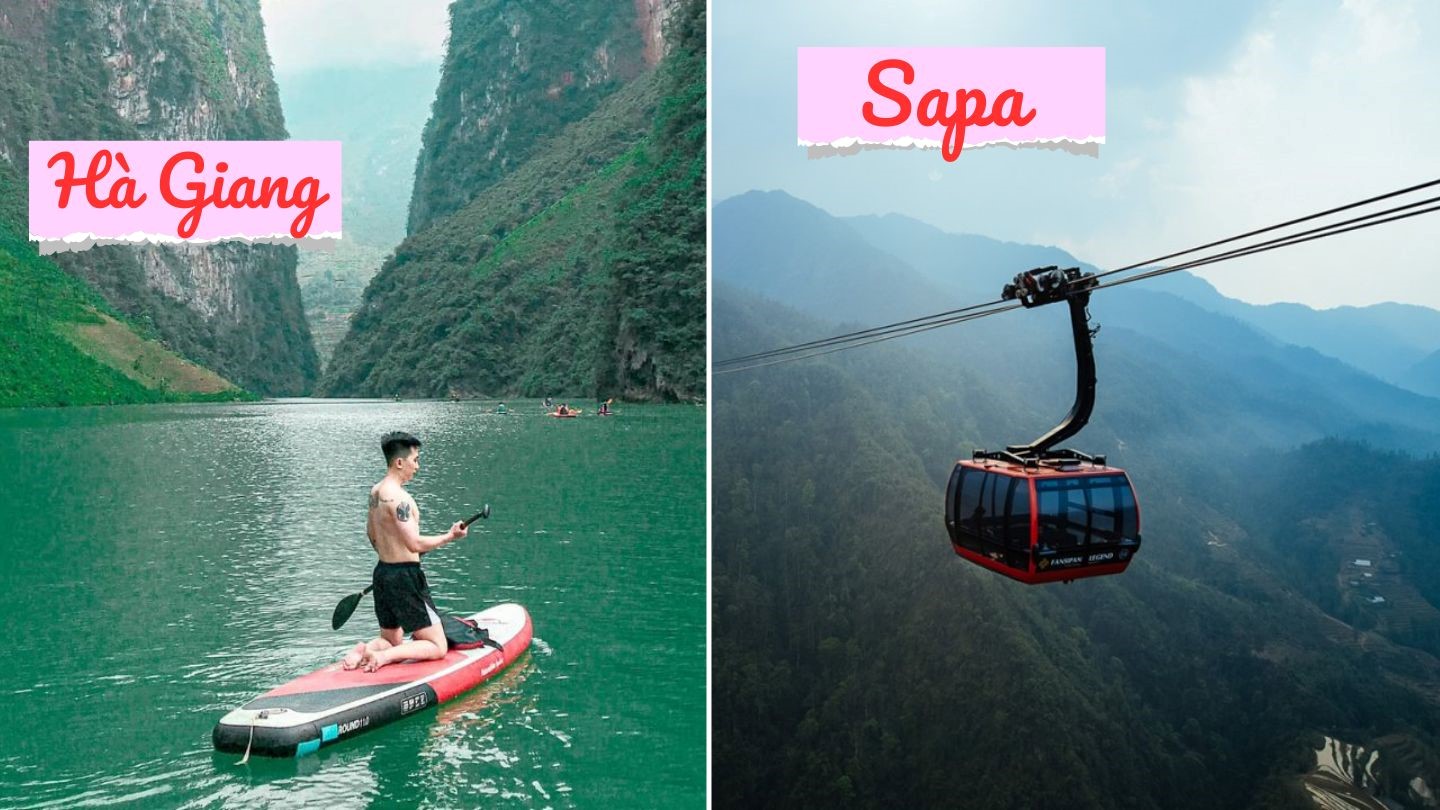
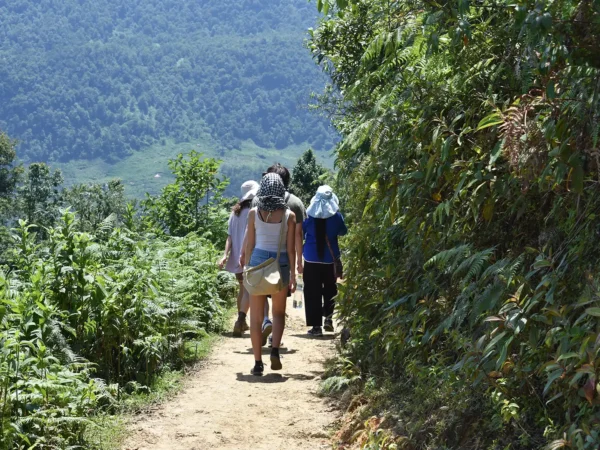
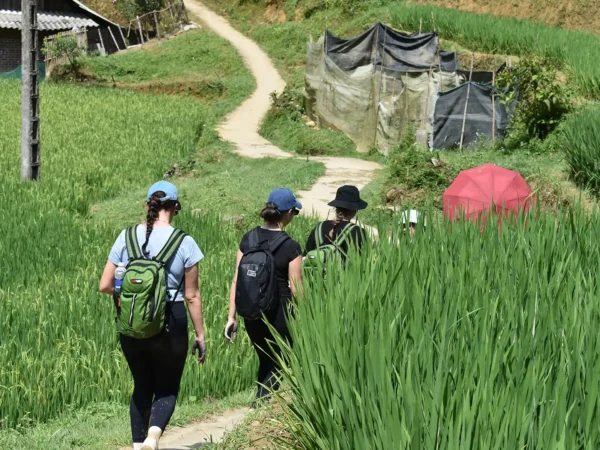
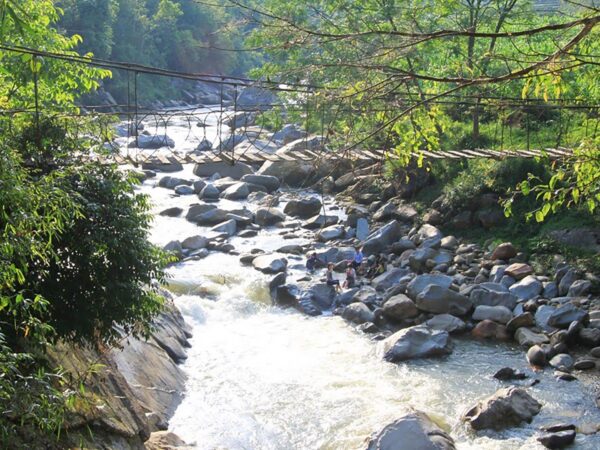
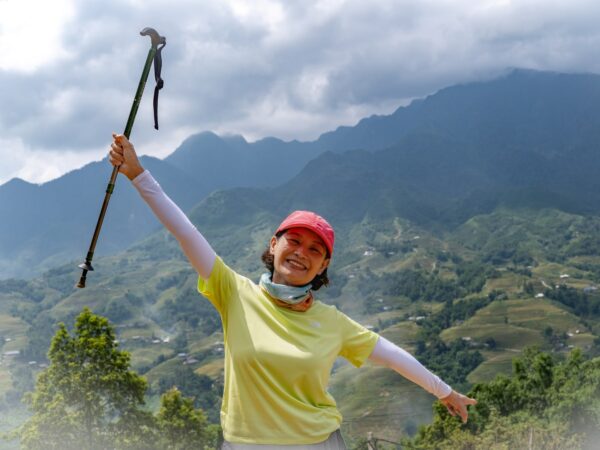
In terms of activities, Sapa offers a wide range of options. When you hike through the picturesque landscapes of Sapa’s Vietnam rice fields, it creates an unforgettable memory for anyone who visits. Sapa is home to Fansipan Mountain, the tallest peak in Vietnam and the highest point in the Indochina region, standing at an impressive altitude of 3,143 meters. You can challenge yourself by embarking on a multi-day trekking tour to conquer its summit or opt for a more relaxed experience by taking a cable car ride to reach the top and revel in the breathtaking panoramic views offered from there.
 5/5
5/5
 5/5
5/5
 5/5
5/5
Ha Giang, however, focuses primarily on its scenic loop road, offering fewer and less developed trekking opportunities compared to Sapa. It’s also renowned for the Dong Van Karst Plateau Geopark, which was designated a UNESCO Global Geopark in 2010. This geological wonderland features limestone mountains, stone villages of ethnic minorities, and the famed Ma Pi Leng Pass offering mesmerizing views of Tu San Canyon and the Nho Que River.
Trip Duration Guide
When it comes to time, Sapa usually fits nicely into a 2–3 day trip. That’s just enough to wander through terraced rice fields, visit nearby villages, and still have time to slow down and soak up the culture.
>>> Related articles: Sapa Travel Guide: How Many Days is Enough for Sapa?
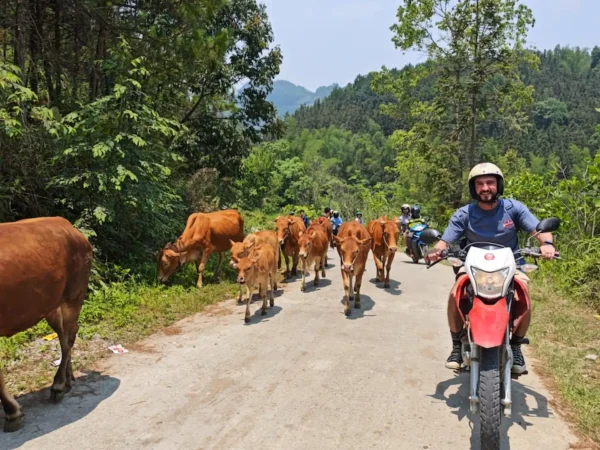
Ha Giang, on the other hand, asks for a bit more. Most travelers spend 3–5 days exploring the famous Ha Giang Loop. A 4-day journey tends to be the sweet spot — long enough to take in the epic mountain passes and remote villages without feeling too rushed or too drained.
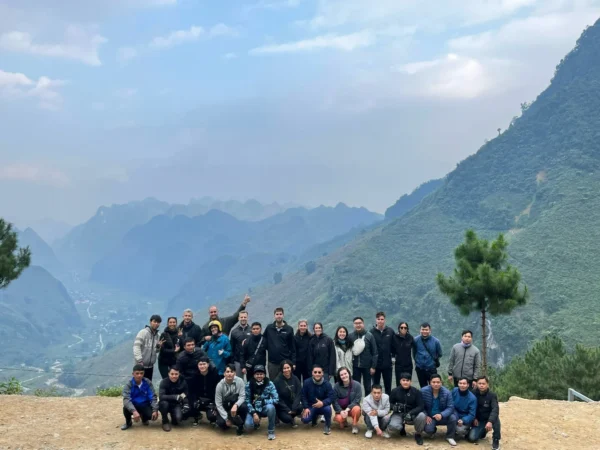
No trip to Ha Giang is complete without the Ha Giang Loop. We’ve put together a few tour options to make it simple and stress-free. Have a look — one of them is bound to fit your style.



👉 In short: go shorter for Sapa if you’re tight on time, but give yourself extra days in Ha Giang to truly enjoy the adventure.
Best Travel Match: Sapa vs Ha Giang
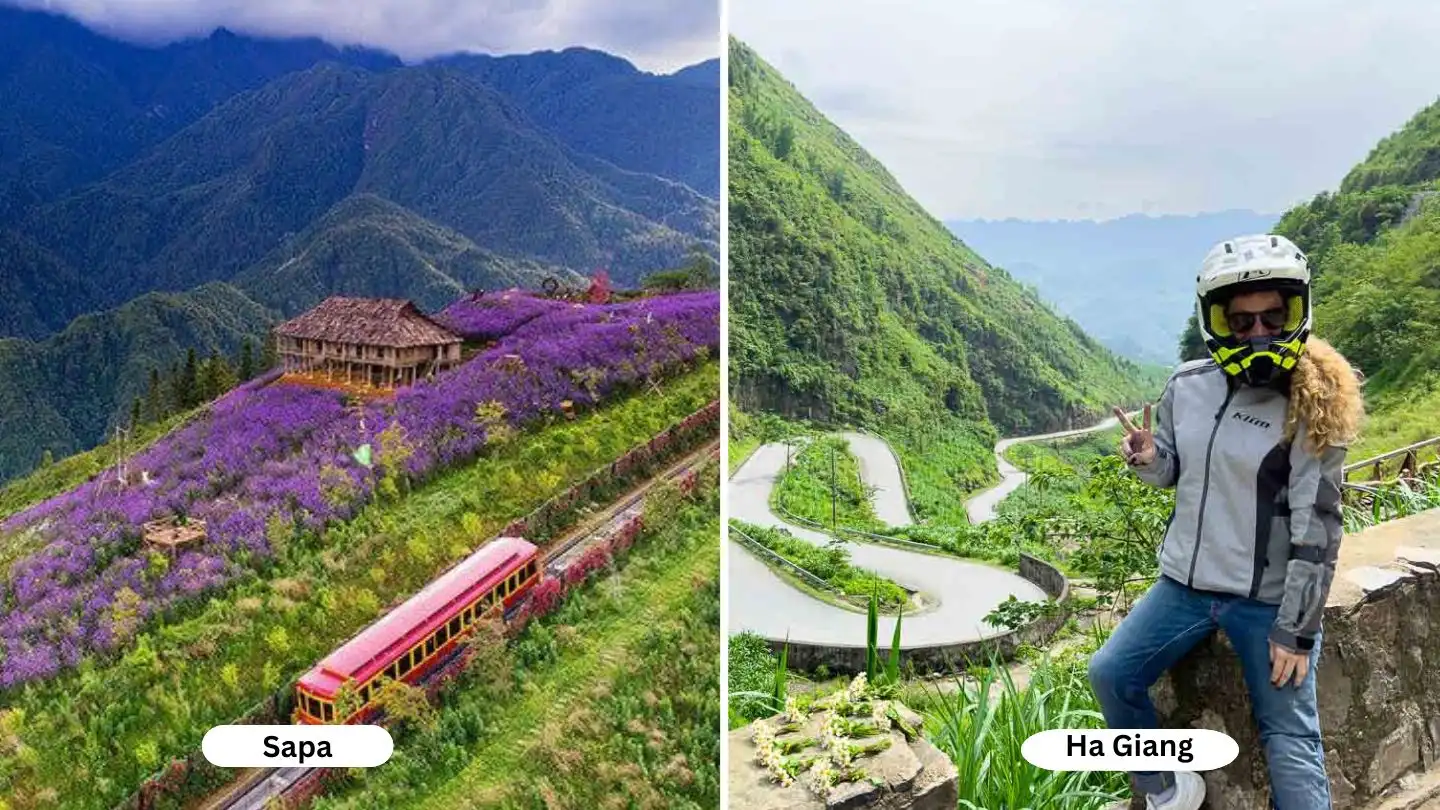
Sapa is a good fit if you enjoy comfort mixed with a little adventure. It’s easy to reach, offers plenty of hotels and tours, and lets you explore rice terraces and villages without too much hassle. Just keep in mind that it can feel touristy at times.
Ha Giang is more for thrill-seekers and road trip fans. Riding the Ha Giang Loop, meeting locals in remote villages, and soaking up jaw-dropping mountain views are all part of the adventure. It’s more demanding, but the raw, authentic experience makes it totally worth it.
Best Visiting Seasons: Sapa vs Ha Giang
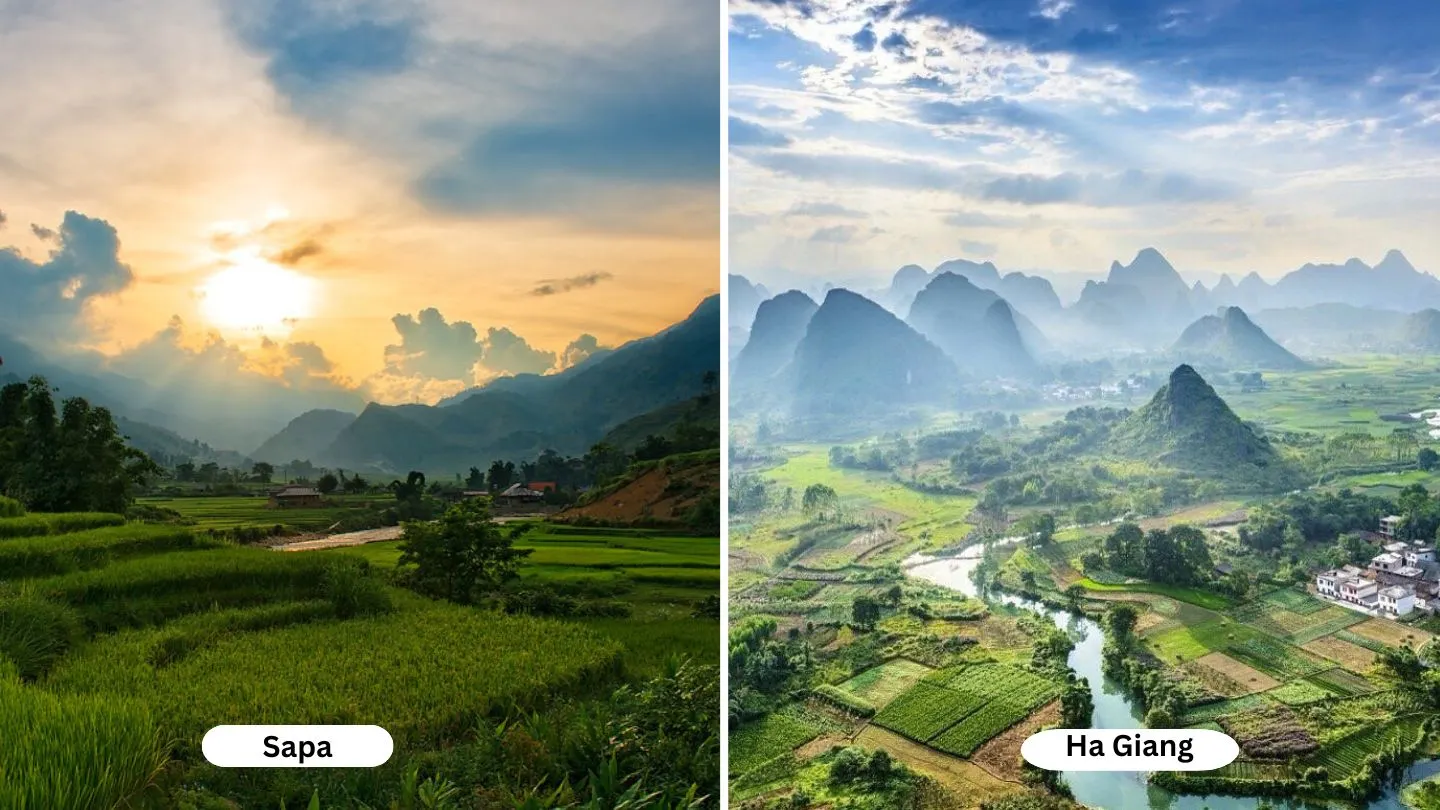
Sapa shines brightest from March to May and again from September to November, when the skies are clear and the air is pleasant. Winter can be harsh here – fog, rain, and biting winds often block those famous views, which can make motorbiking less enjoyable.
>>> Related articles: Best Time to Visit Sapa for Incredible Experiences!
Ha Giang is at its best from September to November as well, right after the monsoon rains. This is also the magical season of blooming buckwheat flowers, when hillsides turn shades of purple and white. Just be ready for unpredictable weather – sudden rain, fog, or chilly winds are common. Packing layers is a must. Summer, especially July and August, is best avoided since it can be hot, stormy, and prone to landslides.
⚠️ What to Watch Out For
- Ha Giang: Narrow mountain roads, unpredictable weather — check conditions before starting the Loop.
- Sapa: Can feel touristy in town; for authenticity, head out to villages like Ta Van or Lao Chai.
- Both: Pack layers and sturdy shoes; nights can be chilly even in summer.
Conclusion
Deciding between Sapa or Ha Giang boils down to what kind of adventure you crave. Sapa charms with its picturesque terraced fields and cultural experiences, ideal for a relaxed exploration. Ha Giang, known for its rugged landscapes and ethnic diversity, suits those seeking more adventurous journeys. Whether you prefer peaceful vistas or thrilling trails, both destinations offer unique glimpses into Vietnam’s beauty and culture. Whichever you choose, you’re in for a memorable experience filled with natural wonders and rich traditions.
FAQs
Is it worth going to Ha Giang?
It was totally worth it! Our four-day Ha Giang Loop tour with Dinh and Hieu was a highlight of our Vietnam trip. They were excellent drivers who knew the best routes and sites, giving us plenty of flexibility for stops and ensuring we enjoyed every moment, no matter the weather.
Should I visit Sapa or Ha Giang?
If you’re short on time and want a comfortable experience, Sapa is the way to go. However, if you can take your time, Ha Giang is the better choice for exploration.
Are Sapa and Ha Giang Loop similar?
Ha Giang is known for its scenic loop, but Sapa has so much more to offer. You can enjoy everything from day hikes to longer treks, climb Fansipan, take a cable car, go mountain biking, explore beautiful landscapes, or relax by an infinity pool with stunning views of rice terraces.